The Middle East, recognized for its extensive oil reserves and dry landscapes, is grappling with a series of interconnected challenges that are influencing its future: energy efficiency, water scarcity, and the necessity for decarbonization. As the world shifts towards a more sustainable and low-carbon future, nations in the Middle East are facing mounting pressure to tackle these issues and adapt to the evolving global environment.
Energy-as-a-Service solutions provider Redaptive announced ON 22 October 2024 that it has raised $100 million through an equity investment from the Canada Pension Plan Investment Board (CPP Investments).
From March 5–7, METEF, the international expo for aluminum, aimed at highlighting new chances for the industry and provide opportunities to diversify one’s business, returns to Bologna
Egypt Vision 2030 was a strategy that sought to build a nation from the grassroots level up, and a critical part of realizing this vision was to realize ambitions to make a regional energy hub. To accomplish this, national production needs to be improved and production efficiency must be enhanced to appropriate levels, taking into consideration commitments to decarbonization and global competition. Improving energy efficiency is the step that needs to be taken for the nation’s objectives to be fully realized.
The cutting-edge, state-backed project at 345 Hudson could be a model for other big buildings sprinting to comply with the city’s building decarbonization law.
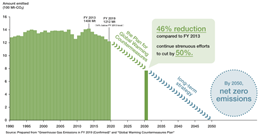
They also decided to stipulate the "decarbonized society by 2050" in the law this coming April 2022. We need to achieve Net Zero 2050 not only diplomatically but also legally.
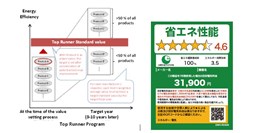
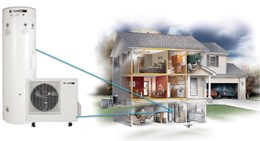
The previous article described the outline of Japan’s decarbonization policies, the situation of energy and energy-related policies. Heat pumps are recognized as a key technology to the decarbonization of our country. This article will elaborate Japan’s energy-related policies, market and R&D projects related to heat pumps.
Decarbonization is one of the keys to our sustainable society and drastic CO2 emission reduction by expanding the use of heat pumps is expected, accounting for 14% of Japan’s ambitious CO2 reduction target in 2050, according to Heat Pump & Thermal Storage Technology Center of Japan (HPTCJ)’s latest analysis (see the previous report).