Friday, 16/10/2026 | 20:22 GMT+7

HalcyonTM wireless lighting saves more energy than standard LEDs by automatically turning off unneeded lights and reporting your energy use.
HalcyonTM wireless lighting saves more energy than standard LEDs by automatically turning off unneeded lights and reporting your energy use. halcyonTMsensors and scene plates or any smart device* can be used to turn off or dim unneeded lights based on occupancy and daylight linking.

You can control all, individual or multiple of the bulbs and lamps on the halcyonTM webapp to turn off/dim lights to have a positive effect on the energy consumption of the system. Alongside this, you can review the entire system's energy use or the energy use of individual rooms to see where, if necessary, you can make adjustments to your light settings to positively impact your energy use.
Lighting controls can typically produce energy savings of around 75% but are often not installed due to the time, energy and money that the system requires. Wired systems do not always produce payback for the same reasons. halcyonTM is a retrofit solution that offers full wireless lighting control as a significantly lower install cost compared to wired lighting controls and with minimal disruption.
With halcyonTM, you can have full wireless lighting control, with automated energy-saving benefits, in your home without the cost, re-wiring or disruption that is associated with installing a wired lighting control system.
Anh Tuan












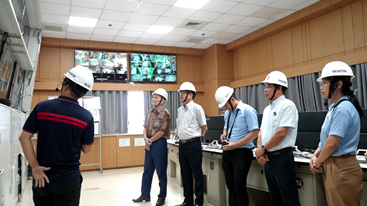 Polytex Pioneers Energy Efficiency in the Textile and Dyeing Industry
 Vietnam ETE & Greenergy Expo 2026: Promoting Green Transition and Energy Efficiency
 Conference on Energy Efficiency and Conservation in 2026
 Consultation on the Draft of the Vietnam Energy Efficiency Fund Establishment
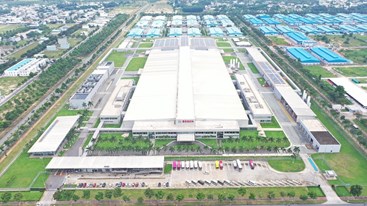 Bosch Vietnam Optimizes Energy to Advance Sustainable Manufacturing
 Contract Award Notice - Support the development of energy management systems and capacity building (Package C2.2.11)
 Contract Award Notice - Review and update for current Energy Efficiency Benchmarking for 2 Sub-Industrial sectors