-
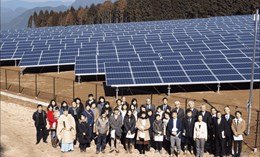
In an era where energy concerns dominate global discourse, the necessity for efficient and sustainable energy solutions has never been more urgent. Countries worldwide are grappling with how to balance economic growth with environmental preservation. Japan certainly has crafted an exemplary model of energy efficiency even with the daunting challenge of limited natural resources. Explore Japan’s core strategies for success and examine how to adapt these principles globally. These strategies offer valuable lessons for creating sustainable, energy-efficient communities in diverse contexts.
-

IEA defines energy intensity as the amount of primary energy used to produce a given amount of economic output. It is the key global indicator to track energy efficiency- which is technically the rate of change in primary energy intensity.
-

Owensboro Health Regional Hospital has earned its fifth Energy Star certification, with officials saying OH has saved more than $4.5 million over the last decade due to energy efficiency practices.
According to a release from OH, participating healthcare facilities strive to obtain the Energy Star recognition threshold of 75 or higher. Owensboro Health Regional Hospital scored 77, meaning its Energy Use Index (EUI) is better than 77% of hospitals in the country. Only two other hospitals in Kentucky have been Energy Star recipients longer than Owensboro Health.
-

British Columbians are seeing first-hand the costly impacts of more frequent and intense, extreme weather events fuelled by climate change.
-

Engineers at Vodafone are working with AMD to design mobile base stations capable of supporting AI workloads in addition to traditional network operations while using less power.
-

Governor Kathy Hochul announced New York is the first state to offer retail rebates for low-and moderate-income residents to purchase energy-efficient appliances.
-
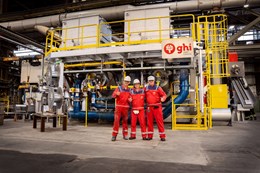
Speira’s new “transparent” melting furnace delivers more capacity, more recycling, precise insights and data collection in all process steps with 15 percent less energy.
-

Researchers at Rice University have found a new way to improve a key element of thermophotovoltaic (TPV) systems, which convert heat into electricity via light. Using an unconventional approach inspired by quantum physics, Rice engineer Gururaj Naik and his team designed a thermal emitter that can deliver high efficiencies within practical design parameters.
-

A final push would allow the Biden administration to reach its pollution reduction goals.
-
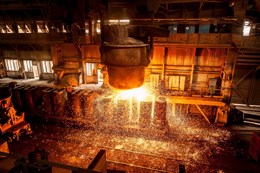
Japan and Vietnam have deepened their cooperation based on Joint Crediting Mechanism (JCM) and issued carbon credits for nine new projects by the end of October.
-

The atoms of amorphous solids like glass have no ordered structure; they arrange themselves randomly, like scattered grains of sand on a beach. Normally, making materials amorphous—a process known as amorphization—requires considerable amounts of energy.
-
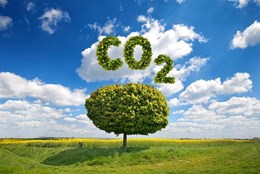
A new commentary, published by members of the Energy Demand Changes Induced by Technological and Social Innovations (EDITS) network, coordinated by IIASA, highlights that switching the focus from how energy is supplied to how energy is consumed can be a more effective approach to reducing carbon emissions with the added benefit of improving wellbeing for all.
-

The world is off track in reaching the global goal to double energy efficiency by 2030 that was adopted at COP 28 in Dubai. A coalition of countries, businesses and organizations is urging world leaders at COP 29 in Baku to commit to actionable measures to unlock the energy efficiency investment that is crucial to meeting climate targets.
-

Doubling global rate of improvement will require countries to accelerate policy implementation, which would improve energy security, reduce energy costs and lower emissions
-

The Middle East, recognized for its extensive oil reserves and dry landscapes, is grappling with a series of interconnected challenges that are influencing its future: energy efficiency, water scarcity, and the necessity for decarbonization. As the world shifts towards a more sustainable and low-carbon future, nations in the Middle East are facing mounting pressure to tackle these issues and adapt to the evolving global environment.
-

As world leaders meet in Baku, Azerbaijan, for COP29, we near a year since they agreed to double energy efficiency globally – from around 2% to over 4% every year until 2030 – as a critical way to avoid catastrophic climate change.
-

An optimized model could further reduce the energy needed, decrease pain and tissue damage.
-

In a concerted effort to bolster energy efficiency and drive the green transition, the European Investment Bank Group (EIBG), the European Commission (EC), and the Solar Impulse Foundation (SIF) launched a new pilot initiative aimed at boosting energy efficiency investments for small and medium-sized enterprises (SMEs). The initiative, a key element of the EIB Group Strategic Roadmap 2024-2027, is designed to enhance the competitiveness and sustainability of SMEs across Europe.
-

Global energy consumption continues to rise, driven by factors such as population growth, urbanisation, industrialisation, and economic development. Efforts to improve energy efficiency are critical for managing global energy consumption and addressing sustainability challenges. By reducing the amount of energy needed to provide goods and services, energy efficiency measures can help decouple economic growth from energy consumption, enabling societies to achieve their development goals while minimising environmental impacts.
-
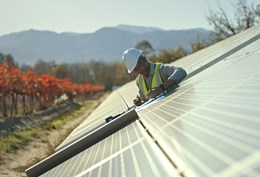
The fund, which is Africa’s first structured debt vehicle focused on energy efficiency solutions, invests into early-stage businesses that are working on boosting climate resilience on the continent.





 Conference on Energy Efficiency and Conservation in 2026
 Bosch Vietnam Optimizes Energy to Advance Sustainable Manufacturing
 Contract Award Notice - Notice for Contracts award for Finalize VNEEF (Vietnam National Energy Efficiency Fund) model (Package C2.2.14)
 Consultation on the Draft of the Vietnam Energy Efficiency Fund Establishment
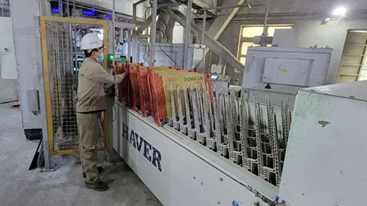 Dong Lam Cement Promotes Energy Efficiency to Enhance Sustainable Production
 Contract Award Notice - Review and update for current Energy Efficiency Benchmarking for 2 Sub-Industrial sectors
 Policies, Technology and Finance Driving Energy Efficiency in the Industrial Sector