

Saturday, 24/10/2026 | 17:04 GMT+7

This is the third day in a row that we are presenting the most efficient lighting systems invented recently. Now, it’s time for another invention from GE, who made a 1,500-lumen LED light bulb and cooled it through a technology used in aviation.
This is the third day in a row that we are presenting the most efficient lighting systems invented recently. Now, it’s time for another invention from GE, who made a 1,500-lumen LED light bulb and cooled it through a technology used in aviation.
1,500 lumen is the equivalent of a 100-watt incandescent bulb, but GE’s features only 33 percent of that consumption.

Quoting GE on how their jet engine cooling technology works:
GE dual cool jets are very small micro-fluidic bellows type devices that provide high-velocity jets of air, which impinge on the LED heat sink. These jets of air increase the heat transfer rate to more than ten times that of natural convection. The improved cooling enables LED operation at high drive currents without losses in efficiency or lifetime. For a given lumen output, the dual cool jets’ improved thermal management reduces the necessary LED chip count. This, in turn, can dramatically lower the cost of the lamp. In addition to performance and cost advantages, this cooling technology enables reductions in LED lamp size and weight.
LED lighting systems have been avoided by the market mostly because of their high prices involved. Now, if GE will make their LED light bulbs worth buying, maybe important savings will occur in the lifestyle of many people using less and less incandescent bulbs.
greenoptimistic.com











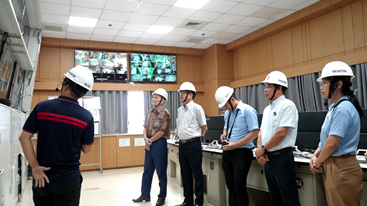 Polytex Pioneers Energy Efficiency in the Textile and Dyeing Industry
 Conference on Energy Efficiency and Conservation in 2026
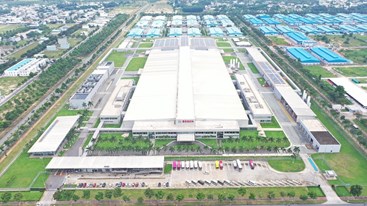 Bosch Vietnam Optimizes Energy to Advance Sustainable Manufacturing
 Consultation on the Draft of the Vietnam Energy Efficiency Fund Establishment
 Contract Award Notice - Notice for Contracts award for Finalize VNEEF (Vietnam National Energy Efficiency Fund) model (Package C2.2.14)
 Contract Award Notice - Review and update for current Energy Efficiency Benchmarking for 2 Sub-Industrial sectors
 Policies, Technology and Finance Driving Energy Efficiency in the Industrial Sector