Brisbane's Renewable Energy Solutions Australia (RESA) recently unveiled the first working installation of what is claimed to be the world's quietest wind turbine.
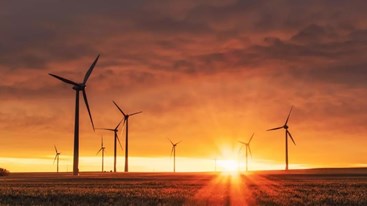
Brisbane's Renewable Energy Solutions Australia (RESA) recently unveiled the first working installation of what is claimed to be the world's quietest wind turbine. The Eco Whisper Turbine is capable of producing 20kW of electricity despite being about half the height and having half the blade diameter of more familiar three-bladed solutions, and is able to automatically adjust the position of the blades to maximize wind capture.
Much of the noise produced by small wind turbines occurs when air spills off the tip of the blades but thanks to a unique cowl/ring design, the Eco Whisper Turbine is said to benefit from near-silent operation. RESA says that its design can produce more than 30 percent more energy than other turbine solutions over a wide range of wind conditions - that translates to up to 45,000 kWh per year in optimum conditions.
The company expects its grid or off-grid green energy solution to meet the medium to high power needs in urban and rural applications like airports, business parks, commercial sites and universities. The company's Michael Le Messurier reports that interest from the industry has been overwhelming since the first installation was recently unveiled at Austeng Engineering in Geelong, Victoria.
Standing 21.1 meters (69.225 feet) tall from tip to toe, a 6.5 meter (21.325 foot) diameter blade sits at the top of a hinged steel pole that can be lowered for maintenance or during extreme weather conditions - although the structure is designed to withstand wind speeds of up to 220 km/h (136.7 mph). The central hub and the 30 blades that fan out from it are made from aluminum, and the solution incorporates dynamic slew drive technology that negates the need for a tail.
Other noteworthy benefits of this turbine development include a low start up speed and high visibility that should help the local bird population avoid injury.
As we face these effects of climate change, conserving water becomes increasingly important. Saving water also means saving money; the average American family spends more than $1,000 on water a year, which can be diminished significantly by addressing the way we use water in our daily lives.
Power is essential for lighting and running appliances at homes and in businesses. With its ever-increasing costs, consumers constantly compare electricity in addition to other practical ways to save electricity.
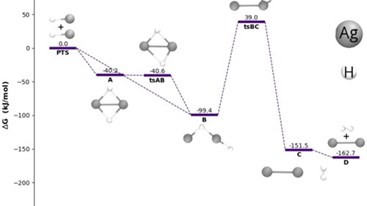
Quantum chemists believe gold, silver and copper could help the world take a leap towards green energy after discovering that compounds based on these metal elements and hydrogen are very promising candidates for hydrogen storage.
In addition to navigating a deadly pandemic, improving energy efficiency is likely the top priority for today’s building owners facing costly, mandatory retrofits by 2025.
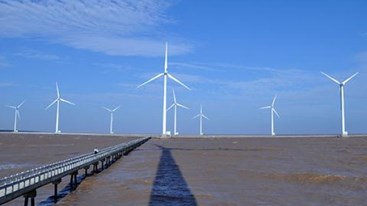
The rush to invest in wind energy to take advantage of the Government's pricing incentives could lead to overloading of the national grid in a repeat of the solar scenario, experts warn.