Ascent Solar thin-film named one of Time’s 50 best inventions
03/12/2011
“We’re pretty excited about it,” said Ascent sales director Brad Kemp. Each year for the last 10 years, Time has selected 50 new inventions that are likely to change the future.
Colorado-based Ascent Solar was named one of Time Magazine’s 50 Best Inventions of 2011.
“We’re pretty excited about it,” said Ascent sales director Brad Kemp. Each year for the last 10 years, Time has selected 50 new inventions that are likely to change the future. Previous years’ honorees include the iPad, the Nissan Leaf, 3-D cameras and synthetic cells.
Ascent’s thin-film solar technology is among six green inventions recognized this year. Other recipients of the honor include Pratt & Whitney’s Pure Power Engine, which has increased jet fuel efficiency and reduced jet noise, and PolyPlus’ high-energy lithium-ion battery, used in marine applications for things like underwater robots.
Many of the inventions are new technologies, including holographic mapping, Intel’s 3-D computer processors, the iPhone Siri personal assistant and the Lytro Light Field Camera that focuses on multiple objects after the picture has been captured.
Ascent was the only solar technology of its kind to receive the honor. “We knew we were being considered,” Kemp said. “They inquired about our technology, but we just found out when the magazine was published.”
The news made for an exciting week before Thanksgiving for the Thornton, Colo. business. When most people think of solar, they imagine glass panels standing up at angles on a roof, Kemp said.
“We like to break those boundaries,” Kemp said. “Time called our panels ‘ingenious" . Ascent builds thin-film solar cells that can be integrated into building materials, Kemp explained. They’re not tethered by the same limitations that standard glass solar panels have, and they can be integrated with limitless applications and used to generate power on virtually any surface, Kemp said.
Ascent’s WaveSol CIGS technology is ultra light and designed to be integrated with electronic devices, fabrics, plastics and all kinds of materials.
“Our product enables solar generation where it wasn’t previously possible,” he said. “We’re pretty excited about the recognition.”
As we face these effects of climate change, conserving water becomes increasingly important. Saving water also means saving money; the average American family spends more than $1,000 on water a year, which can be diminished significantly by addressing the way we use water in our daily lives.
Power is essential for lighting and running appliances at homes and in businesses. With its ever-increasing costs, consumers constantly compare electricity in addition to other practical ways to save electricity.
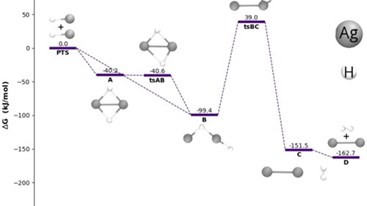
Quantum chemists believe gold, silver and copper could help the world take a leap towards green energy after discovering that compounds based on these metal elements and hydrogen are very promising candidates for hydrogen storage.
In addition to navigating a deadly pandemic, improving energy efficiency is likely the top priority for today’s building owners facing costly, mandatory retrofits by 2025.
The rush to invest in wind energy to take advantage of the Government's pricing incentives could lead to overloading of the national grid in a repeat of the solar scenario, experts warn.