Monday, 05/10/2026 | 08:25 GMT+7

Algae may indeed be a potential source of biofuel, but it can also find use in things like nutritional supplements and cosmetics.
When it's grown commercially, its growth is usually aided with chemical fertilizers. The cost of those chemicals cuts into the profits, however, plus the fertilizers are also needed for more traditional crops. That's why scientists from Houston's Rice University are looking into growing algae in municipal wastewater – the water would already contain its own free fertilizer, plus the algae would help clean it up.
Led by researchers Meenakshi Bhattacharjee and Evan Siemann, the Rice team experimented with growing various strains of oil-rich algae in open-air pools containing water from one of Houston's wastewater treatment plants. Although the solids had already been filtered from the water, it still contained the nitrogen and phosphorous that the algae needed to feed upon.

After 14 weeks, it was found that not only did the algae thrive, but that it consumed over 90 percent of the nitrates and 50 percent of the phosphorous in the water. If too much of these nutrients remain in wastewater after it's released back into the environment, it can cause major environmental problems such as algae blooms.
In a previous study, researchers in Kansas likewise attempted to grow algae in wastewater. In that case, the algae consumed much less of the phosphorous, which might have been due to the fact that the weather was cooler. That could mean that the technology is better suited to regions with warm climates, such as Texas.
The scientists are now examining other variables that might affect the process, along with evaluating the cost-effectiveness of the system. A paper on the research was recently published in the journal Algae.
Mai Linh




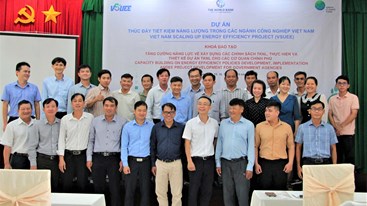

 Contract Award Notice - Develop tools for analyzing the energy efficiency of sub-projects and assess the current state of the market for energy-saving investment loans (C2.2.12)
 Contract Award Notice - Support the development of energy management systems and capacity building (Package C2.2.11)
 Vietnam ETE & Greenergy Expo 2026: Promoting Green Transition and Energy Efficiency
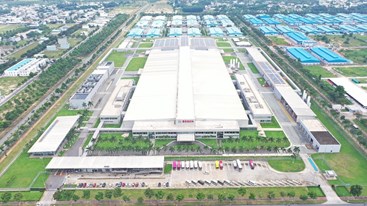 Bosch Vietnam Optimizes Energy to Advance Sustainable Manufacturing
 Conference on Energy Efficiency and Conservation in 2026
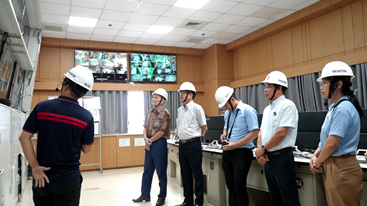 Polytex Pioneers Energy Efficiency in the Textile and Dyeing Industry
 Consultation on the Draft of the Vietnam Energy Efficiency Fund Establishment