Wednesday, 21/10/2026 | 11:41 GMT+7

Smart grids could save up to €3.5 billion in the Netherlands, a new survey claims.
Renewable sources such as wind and solar power fluctuate due to the weather but smart grids help balance the supply and demand. That’s expected to make it more efficient and reliable in distributing electricity.
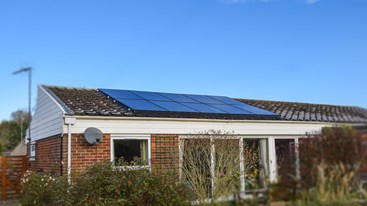
A pilot study – carried out by PowerMatching City – tested 40 households which used solar panels, combined heat and power (CHP) plants and heat pumps to generate their own electricity, heat and water.
‘Smart’ software was used to share the electricity with neighbours and household appliances were activated at times when the supply from the local grid was best.

The study found the energy systems “were feasible and made sense financially”, saving billions of pounds.
“These benefits are based in part on money saved by the grid operators by avoiding costs for investments in and maintenance of existing energy grids. On the other hand, energy providers will be able to manage their customers’ energy consumption more effectively so they will be able to purchase energy for more competitive wholesale prices. Energy providers will also be able to use locally generated energy to match local supply and demand, which also saves costs,” it added.
Mai Linh











 Polytex Pioneers Energy Efficiency in the Textile and Dyeing Industry
 Conference on Energy Efficiency and Conservation in 2026
 Bosch Vietnam Optimizes Energy to Advance Sustainable Manufacturing
 Consultation on the Draft of the Vietnam Energy Efficiency Fund Establishment
 Contract Award Notice - Support the development of energy management systems and capacity building (Package C2.2.11)
 Contract Award Notice - Review and update for current Energy Efficiency Benchmarking for 2 Sub-Industrial sectors
 Contract Award Notice - Notice for Contracts award for Finalize VNEEF (Vietnam National Energy Efficiency Fund) model (Package C2.2.14)