

Saturday, 24/10/2026 | 00:44 GMT+7

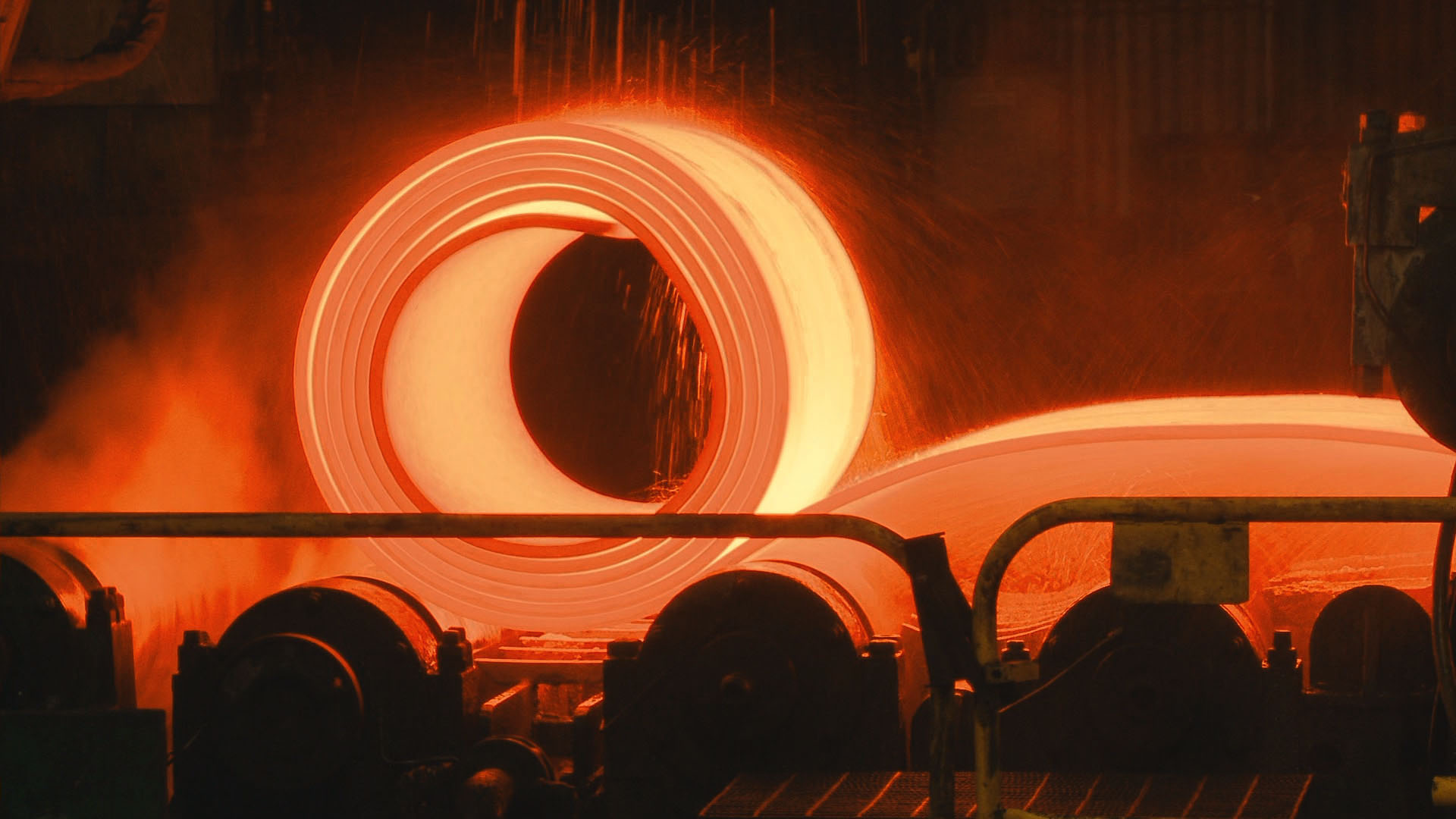
The American Iron and Steel Institute (AISI) reported on January 14 that the United States steel industry has achieved a new milestone in energy efficiency by reducing its energy intensity per ton of steel shipped by approximately 33 percent since 1990.
The American Iron and Steel Institute (AISI) reported on January 14 that the United States steel industry has achieved a new milestone in energy efficiency by reducing its energy intensity per ton of steel shipped by approximately 33 percent since 1990.
This represents a further improvement since AISI announced a 29 percent reduction in 2006. Because of the close relationship between energy use and greenhouse gas emissions, the industry’s aggregate carbon dioxide (CO2) emissions per ton of steel shipped have also been substantially reduced.
Compared to the Kyoto Protocol’s call for an average U.S. reduction of 7 percent in greenhouse gas emissions between 1990 and 2012, this means the American steel industry has already surpassed the Kyoto target.
“This improvement in energy efficiency is evidence of the steel industry’s longstanding commitment to sustainability,” Thomas J. Gibson, AISI president and CEO, said. “This commitment has brought our processes almost to the limit of energy-efficiency. Our future plans are built round sectoral programs, such as the Asia Pacific Partnership – where steelmakers and their governments in China, India, Australia, Canada, Japan, and Korea, with us, are discussing energy intensity reduction targets until 2020. In the long-term, we are working on developing breakthrough steelmaking processes that emit little or no CO2.”
On average, 1.14 tons of carbon dioxide was emitted in 2007 for every ton of steel produced in the United States. The low CO2 intensity of American-manufactured steel coupled with its infinite recyclability is why products made of steel have such low environmental impacts during their life cycle. It is why steel is the material of choice in so many applications.
Anh Tuan












 Polytex Pioneers Energy Efficiency in the Textile and Dyeing Industry
 Conference on Energy Efficiency and Conservation in 2026
 Bosch Vietnam Optimizes Energy to Advance Sustainable Manufacturing
 Consultation on the Draft of the Vietnam Energy Efficiency Fund Establishment
 Contract Award Notice - Notice for Contracts award for Finalize VNEEF (Vietnam National Energy Efficiency Fund) model (Package C2.2.14)
 Contract Award Notice - Review and update for current Energy Efficiency Benchmarking for 2 Sub-Industrial sectors
 Policies, Technology and Finance Driving Energy Efficiency in the Industrial Sector