Thursday, 15/10/2026 | 02:43 GMT+7

Following several months of road trials and test bench programs adding up to the equivalent of 20,000 km, the Renault Trucks laboratory vehicle, called Optifuel Lab 2, has recorded fuel consumption 22 percent lower than that of a production Renault Trucks T.
Following several months of road trials and test bench programs adding up to the equivalent of 20,000 km, the Renault Trucks laboratory vehicle, called Optifuel Lab 2, has recorded fuel consumption 22 percent lower than that of a production Renault Trucks T.
The company says this means 7.2 L of diesel are saved for every 100 km covered, together with a 194 g reduction of CO2 emissions for every kilometer traveled. Optifuel Lab 2 has been equipped with 20 technologies, each of which meet four major challenges associated with consumption: energy management, aerodynamics, rolling resistance and driving aids.
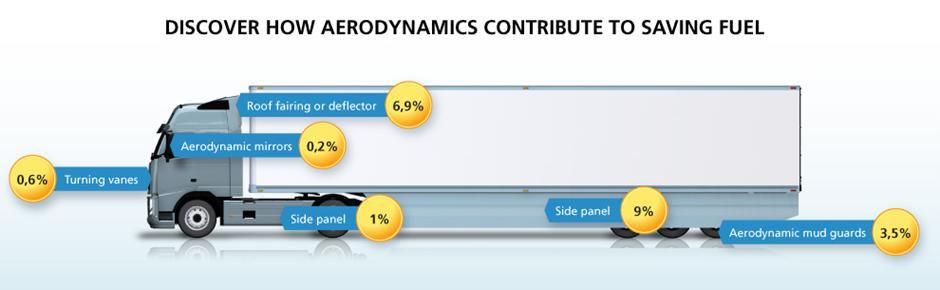
The company says the Optifuel Lab 2 project, developed with support from the Agency for the Environment and Energy Control (ADEME), has expanded Renault Trucks’ technical knowledge and also that of its eight partners (Plastic Omnium, Michelin, Sunpower, Renault, IFP Energies Nouvelles, CEP-Armines, the Lyon CETHIL-INSA and the Lyon Central School) with regard to future technologies.
Engineers can now approve certain technologies while at the same time deciding to reject or further develop others. This knowledge will then allow them to adapt the best-performing technologies to production vehicles so that Renault Trucks can offer ever more fuel-efficient models.
The road trials were carried out on a 200 km route around Lyon, France, representing an inter-regional transport profile. The Optifuel Lab 2’s average speed was measured at 72.6 km/h with a total load of 33 t, which corresponds to the average load observed in Europe.
Truong Duy












 Polytex Pioneers Energy Efficiency in the Textile and Dyeing Industry
 Vietnam ETE & Greenergy Expo 2026: Promoting Green Transition and Energy Efficiency
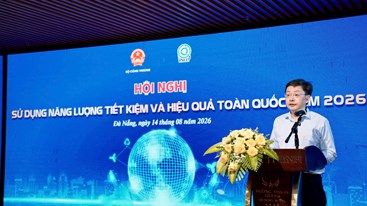 Conference on Energy Efficiency and Conservation in 2026
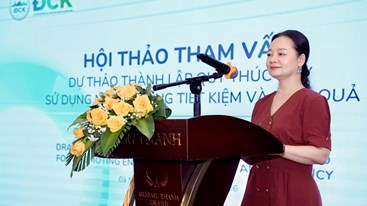 Consultation on the Draft of the Vietnam Energy Efficiency Fund Establishment
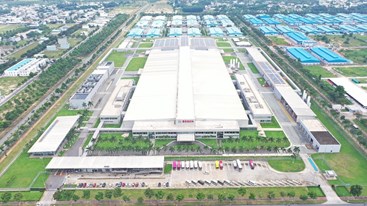 Bosch Vietnam Optimizes Energy to Advance Sustainable Manufacturing
 Contract Award Notice - Support the development of energy management systems and capacity building (Package C2.2.11)
 Contract Award Notice - Review and update for current Energy Efficiency Benchmarking for 2 Sub-Industrial sectors