Saturday, 03/10/2026 | 09:18 GMT+7

The first factory to manufacture the Nissan Leaf, in Oppama, Japan, started producing functional units on October 22. The first shipments will be made to Japan and the US this November and to Europe starting December. The Nissan Leaf uses lithium-ion batteries made by Automotive Energy Supply Corp, the joint venture between NEC and Nissan.
The first factory to manufacture the Nissan Leaf, in Oppama, Japan, started producing functional units on October 22. The first shipments will be made to Japan and the US this November and to Europe starting December.
The Nissan Leaf uses lithium-ion batteries made by Automotive Energy Supply Corp, the joint venture between NEC and Nissan.

Nissan reuses its already existing assets and produces the Leaf on the same production line as the Juke and the Cube. The 48 modules contained in a battery pack are also assembled at the Oppama factory.
The plant only has a capacity of 50,000 EVs per year, but the company will use the knowledge accumulated during a year of production and will open another production sites in the US at the Smyrna plant in 2012, with a capacity of 150,000 units per year. Europe will also have a Leaf production line starting 2013, at the Sunderland plant in the UK, being able to produce around 50,000 EVs per year.
Europe’s quick adoption of the electric car will now depend only on the governments that will have to implement electric car recharging stations alongside their roads and highways. Countries like Germany, Austria, France, Italy and the Netherlands have already implemented EV charging spots or at least plan to. They will have to be followed by Romania, Bulgaria and others.
greenoptimistic.com








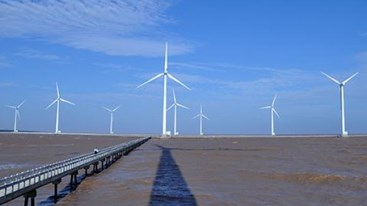

 Contract Award Notice - Develop tools for analyzing the energy efficiency of sub-projects and assess the current state of the market for energy-saving investment loans (C2.2.12)
 Contract Award Notice - Support the development of energy management systems and capacity building (Package C2.2.11)
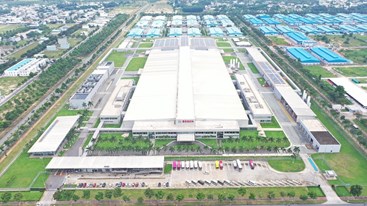 Bosch Vietnam Optimizes Energy to Advance Sustainable Manufacturing
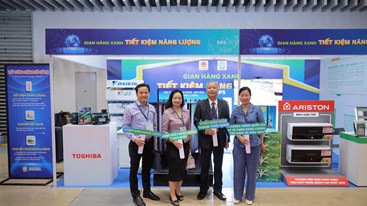 Vietnam ETE & Greenergy Expo 2026: Promoting Green Transition and Energy Efficiency
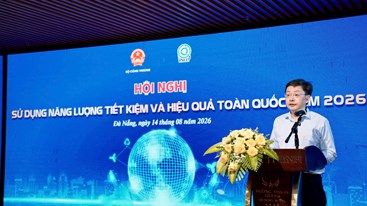 Conference on Energy Efficiency and Conservation in 2026
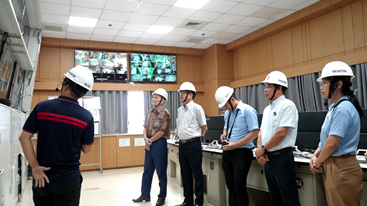 Polytex Pioneers Energy Efficiency in the Textile and Dyeing Industry
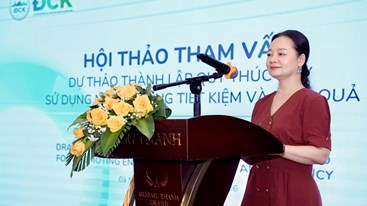 Consultation on the Draft of the Vietnam Energy Efficiency Fund Establishment