Monday, 05/10/2026 | 10:23 GMT+7

Powered by the world’s most advanced permanent-magnet motor, the light rail locomotive uses hydrogen as the energy source for the fuel cells powering the synchronous motor and frequency converter, units which have been independently developed by the China North Vehicle Yongji Electric Motor Corporation.
China’s first fuel cell light rail locomotive has been jointly developed by the China North Vehicle Yongji Electric Motor Corporation and the Southwest Jiaotong University.
Powered by the world’s most advanced permanent-magnet motor, the light rail locomotive uses hydrogen as the energy source for the fuel cells powering the synchronous motor and frequency converter, units which have been independently developed by the China North Vehicle Yongji Electric Motor Corporation.

The same corporation accepted the tasks regarding the design project, the research and development of the fuel cell light rail vehicle. The permanent-magnet synchronous motor is put to good use by fully exploiting its high power and efficiency, remarkable energy conservation, low and noise.
It is a remarkable piece of equipment that can achieve higher performances than the conventional motors do, but which nonetheless stays within the boundaries of the specific operational requirements. Additionally, it can save 10 to 20 percent of the energy on average.
The results from the performance analysis of the vehicle meet the requirements of various indicators, placing the fuel cell light rail locomotive at the top list of applications with economic potential and environmental benefits. The fields that could benefit from it include railways, subways, urban-suburban light rail transit and mining.
According to experts, the first new energy fuel cell light rail locomotive provided China with a solution for the electrification of its urban public transportation and to fuse off road congestion, also having considerable impact on the country’s new energy industry.
greenoptimistic.com








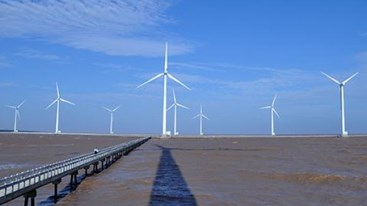

 Contract Award Notice - Develop tools for analyzing the energy efficiency of sub-projects and assess the current state of the market for energy-saving investment loans (C2.2.12)
 Contract Award Notice - Support the development of energy management systems and capacity building (Package C2.2.11)
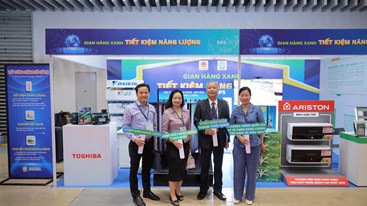 Vietnam ETE & Greenergy Expo 2026: Promoting Green Transition and Energy Efficiency
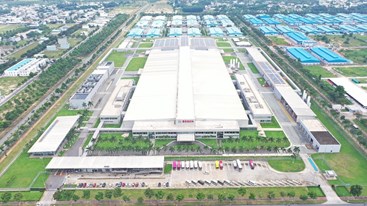 Bosch Vietnam Optimizes Energy to Advance Sustainable Manufacturing
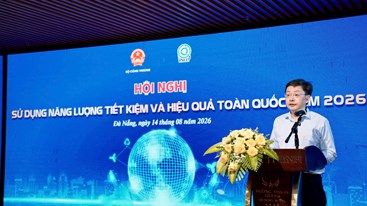 Conference on Energy Efficiency and Conservation in 2026
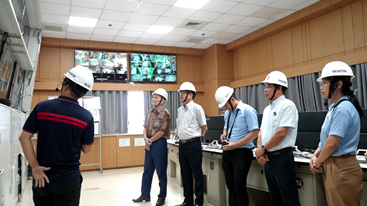 Polytex Pioneers Energy Efficiency in the Textile and Dyeing Industry
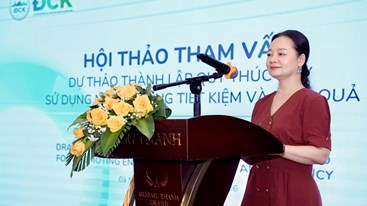 Consultation on the Draft of the Vietnam Energy Efficiency Fund Establishment