

Tuesday, 27/10/2026 | 11:33 GMT+7

The Umeox Apollo is named after the Greek Sun God, and comes with a built-in solar panel covering the rear of the phone allowing the user to place a call when the batteries are discharged, provided there is sufficient sun available. Daily usage recharge needs about 2.5 hours of sunlight with a complete recharge requiring 17 hours.
Chinese cell phone manufacturer Umeox Mobile recently announced their solar powered Android smart cell phone. The Umeox Apollo is named after the Greek Sun God, and comes with a built-in solar panel covering the rear of the phone allowing the user to place a call when the batteries are discharged, provided there is sufficient sun available. Daily usage recharge needs about 2.5 hours of sunlight with a complete recharge requiring 17 hours.

Apollo’s phone features include an Android operating system, 3.2inch (8.1cm) 320 x 480 pixel display, 1 GB of memory with a microSD expansion slot, FM radio, Bluetooth 2.1 A2DP, 3-megapixel rear camera and a 3.5 mm audio jack. Two models are planned, an 850/1900MHz US release in the fall 2011 and a 900/1800MHz Europe and Asian model release in the summer 2011.
Perhaps the real news about the Umeox Apollo is the likely US$100 (€74) selling price (according to Androinica) and that Google is investing U$1.2billion (€882) into O3b (Other 3 Billion), a company planning to offer satellite Internet service to Africa, Latin America, and Asia in 2013. With relatively cheap solar powered cell phones, and VoIP (voice over the Internet Protocol), it looks like the world is set for an enormous increase in cell phone use and internet browsing via smart phones.
greenmuze.com








 Polytex Pioneers Energy Efficiency in the Textile and Dyeing Industry
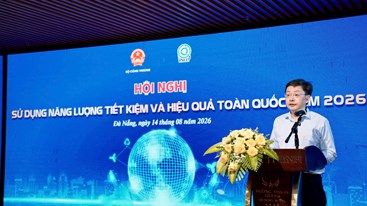 Conference on Energy Efficiency and Conservation in 2026
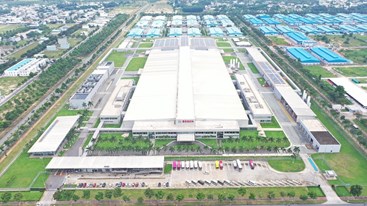 Bosch Vietnam Optimizes Energy to Advance Sustainable Manufacturing
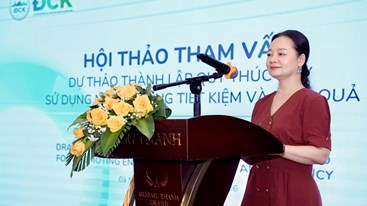 Consultation on the Draft of the Vietnam Energy Efficiency Fund Establishment
 Contract Award Notice - Notice for Contracts award for Finalize VNEEF (Vietnam National Energy Efficiency Fund) model (Package C2.2.14)
 Contract Award Notice - Review and update for current Energy Efficiency Benchmarking for 2 Sub-Industrial sectors
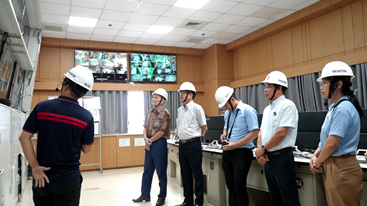
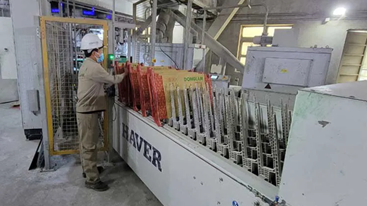 Dong Lam Cement Promotes Energy Efficiency to Enhance Sustainable Production