3-D Holographic Radar Aims To Resolve Conflicts Between Wind Turbines, Air Traffic Control
20/11/2011
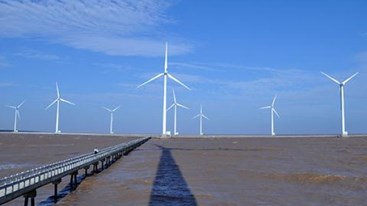
Among the many factors keeping wind power projects from getting their legs is the annoying and sometimes dangerous tendency for moving wind turbines to mimic aircraft on an air traffic controller’s radar screen.
Among the many factors keeping wind power projects from getting their legs is the annoying and sometimes dangerous tendency for moving wind turbines to mimic aircraft on an air traffic controller’s radar screen. The problem has led to the stalling of some wind projects and criticism of others, criticism that isn’t helping the larger roll out of renewable energy resources. But startup Aveillant has a technological fix that could get things rolling again: 3-D holographic radar that can spot even small aircraft flying among wind turbines.
Traditional radar works by sending out a rotating radar beam that sweeps 360 degrees, scanning for objects in the air and registering their positions on each pass. Holographic radar doesn’t scan, but rather maintains full 360-degree 3-D tracking at all times. As such, it can readily distinguish between a stationary wind turbine and a moving aircraft. And if deployed near existing and potential wind turbine sites, it could be the difference not only between safety and tragedy, but also between a wind project getting wrapped up in red tape and moving forward.
How well does all of this work? We’re not really sure. But the Department of Defense seems to think it works pretty well. Aveillant is a spin-out from Cambridge Consultants, which has been using 3-D holographic radar systems to help the Navy improve the accuracy of its artillery target practice while vastly reducing costs (if you can actually see where a shell lands via radar, you don’t have to use live rounds or so many dummy targets). The U.K.’s Aviation Management Board has also selected the technology as a reliable radar fill-in solution.
Considering the U.S. and the U.K. are the two countries having the biggest problems with wind turbines conflicting with air traffic control, those endorsements are pretty important.
As we face these effects of climate change, conserving water becomes increasingly important. Saving water also means saving money; the average American family spends more than $1,000 on water a year, which can be diminished significantly by addressing the way we use water in our daily lives.
Power is essential for lighting and running appliances at homes and in businesses. With its ever-increasing costs, consumers constantly compare electricity in addition to other practical ways to save electricity.
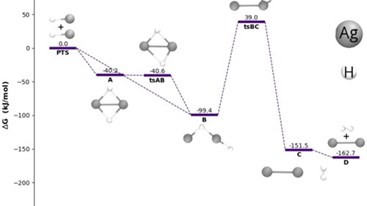
Quantum chemists believe gold, silver and copper could help the world take a leap towards green energy after discovering that compounds based on these metal elements and hydrogen are very promising candidates for hydrogen storage.
In addition to navigating a deadly pandemic, improving energy efficiency is likely the top priority for today’s building owners facing costly, mandatory retrofits by 2025.
The rush to invest in wind energy to take advantage of the Government's pricing incentives could lead to overloading of the national grid in a repeat of the solar scenario, experts warn.