Sunday, 04/10/2026 | 13:20 GMT+7

The BBC's new primetime police drama The Interceptor has achieved top ratings for sustainability standards in TV production thanks to a raft of green initiatives.
The cast and crew of the eight-part BBC One series worked to reduce carbon emissions and waste materials across the set, with The Interceptor receiving a maximum three-star rating from industry sustainability certification scheme albert+.
During production, actors and crew used electric vehicles behind the scenes to save eight tonnes of CO2 emissions - enough to drive 50,000 miles. The sustainability measures also enabled reduced production costs and using the environmentally-friendly vehicles saved the BBC an estimated £10,000 in fuel and London’s congestion charge.
The Interceptor's producer Howard Ella said: “It was important for us to have the whole team on board and committed to working towards the same mission from the start. Everyone from catering, set designers, script editors and actors fully embraced the sustainability task to ensure the show achieved the albert+ status, reaching the three-star rating is a testament to how dedicated the team was.”
The Interceptor follows an undercover police narcotics team and airs on Wednesday evenings.

Behaviour change
During the filming, the construction team ensured materials for props, paints and timber were sustainably sourced and used low-level lighting in the studio.
Other measures included sourcing sustainable food and reducing the team’s carbon footprint by using reusable bottles rather than plastic ones. The crew also ensured scripts were not printed to cut paper costs and reported that 92% of waste was recycled.
Ella explained that simple improvements in behaviour had helped the team reduce the show’s environmental impact. “None of what we did is rocket science it is just a case of changing habits and embracing a new culture in the industry," she said.
“With an eight-part drama series like this we had enough time to organise and plan ahead meaning that by the time the production ended nearly all waste was recycled. It’s such an important thing to do and something all of us programme makers should be doing as a matter of course, if you plan ahead it’s a win-win situation – for the production and the environment.”
Greening the screen
The albert+ certification programme is run by Bafta and aims to help production teams reduce their impact on the environment using a three star rating system.
In January, sustainability leaders from the BBC and UK film companies gathered at Bafta's headquarters in London for a ‘Greening the Screen’ event during the 2015 TV and film awards season. Interceptor producer Ella also spoke at the conference. “I’m concerned that I am up here as an example of best practice,” she said at the time. “There is absolutely not enough being done.”
Mai Linh










 Contract Award Notice - Develop tools for analyzing the energy efficiency of sub-projects and assess the current state of the market for energy-saving investment loans (C2.2.12)
 Contract Award Notice - Support the development of energy management systems and capacity building (Package C2.2.11)
 Vietnam ETE & Greenergy Expo 2026: Promoting Green Transition and Energy Efficiency
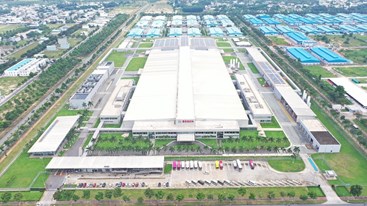 Bosch Vietnam Optimizes Energy to Advance Sustainable Manufacturing
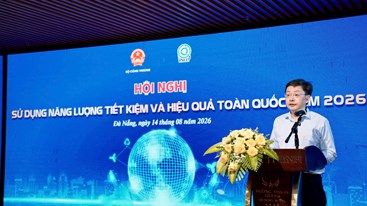 Conference on Energy Efficiency and Conservation in 2026
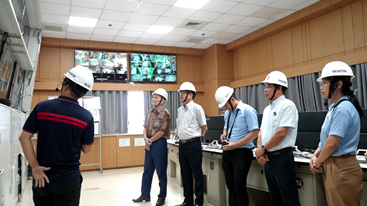 Polytex Pioneers Energy Efficiency in the Textile and Dyeing Industry
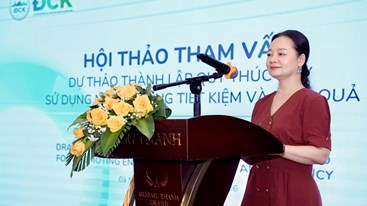 Consultation on the Draft of the Vietnam Energy Efficiency Fund Establishment