Sunday, 04/10/2026 | 12:38 GMT+7

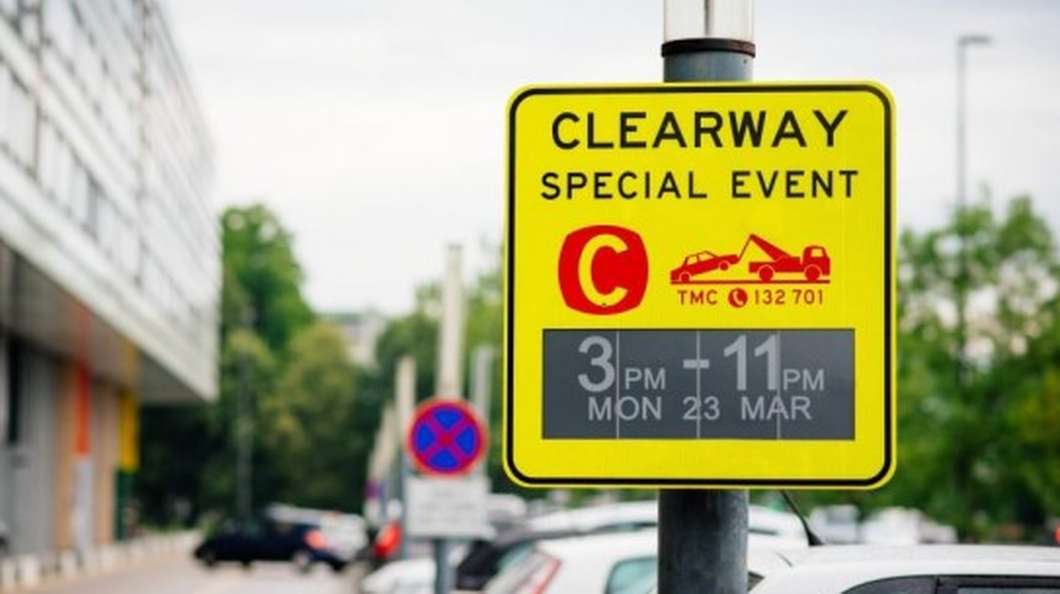
Sydney, Australia, has become the world's first city to boast E Ink-based traffic signs.
Built by RMS and integrating Visionect’s e-paper signage electronics and software, the solar-powered signs promise both greater efficiency and improved reliability compared to than standard electronic roadsigns.
The signs use a 3G cellular network connection to communicate with a central server, and are 100 percent solar powered, so they won't stop working in the event of a local power cut. Since E Ink displays feature no backlight as standard, a Kindle Paperwhite-like front panel light activates when it gets dark.
"The hardware components are managed by server software programmed to 'wake up' the sign for certain pre-scheduled windows of time when the content on the sign will be changed using 3G technology," says Rok Zalar, Visionect’s head of product development. "Outside of the ‘waking’ time, the traffic signs use no power."
In addition to saving energy, the programmable traffic signs may help Sydney officials save money on temporary road sign placement Visionetc reports that Los Angeles spends US$9.5 million on temporary roadsigns each year).
Fifteen of the signs have been successfully tested in George Street in the Sydney CBD, where they will display information to motorists during special events like football matches or concerts.
Visionect added location coordinates in case someone tries to damage or steal a unit, and anti-tampering measures were also wisely added – because it's only a matter of time until some wag decides to try and hack lines from 50 Shades of Grey onto one.
Mai Linh










 Contract Award Notice - Develop tools for analyzing the energy efficiency of sub-projects and assess the current state of the market for energy-saving investment loans (C2.2.12)
 Contract Award Notice - Support the development of energy management systems and capacity building (Package C2.2.11)
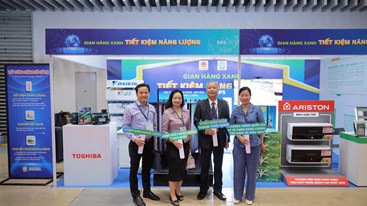 Vietnam ETE & Greenergy Expo 2026: Promoting Green Transition and Energy Efficiency
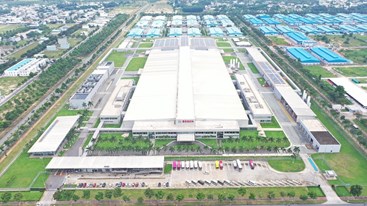 Bosch Vietnam Optimizes Energy to Advance Sustainable Manufacturing
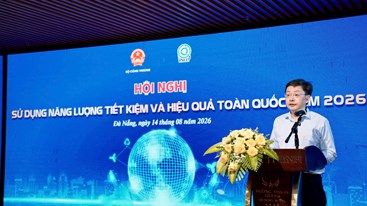 Conference on Energy Efficiency and Conservation in 2026
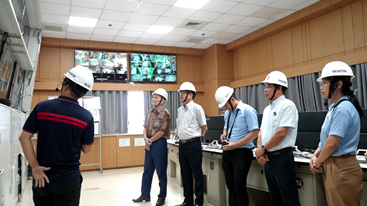 Polytex Pioneers Energy Efficiency in the Textile and Dyeing Industry
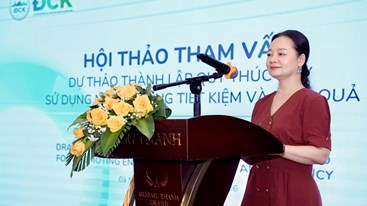 Consultation on the Draft of the Vietnam Energy Efficiency Fund Establishment