Saturday, 10/10/2026 | 05:13 GMT+7

A new report from the International Renewable Energy Agency (IRENA) claims that realising the renewable energy plans of the Gulf Cooperation Council region (GCC) will result in 20% less water withdrawals in the power sector.
A new report from the International Renewable Energy Agency (IRENA) claims that realising the renewable energy plans of the Gulf Cooperation Council region (GCC) will result in 20% less water withdrawals in the power sector.
The water saving potential of renewable energy is among the major findings in the Renewable energy in the water, energy and food nexus report, which was released on the sidelines of the World Future Energy summit and International Water summit in Abu Dhabi.
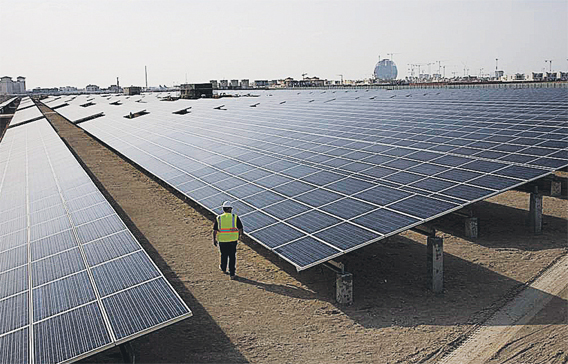
During power generation, the water requirements of solar photovoltaics (PVs) and wind are negligible compared to conventional generation, which could require substantial amounts of water for cooling, IRENA notes. Solar PV or wind use up to 200 times less water than a coal power plant to produce the same electricity, the organisation added.
IRENA director-general Adnan Z Amin said: ‘Globally, an energy system with substantial shares of renewables, in particular solar photovoltaics and wind power, would save significant amounts of water, thereby reducing strains in limited water resources.’
The report shows that as well as improving energy security and air quality, reducing carbon emissions and creating jobs, greater use of existing renewable technology can also boost water and food security.
In addition to the water saving potential of renewable energy, the report also shows that renewable energy-based desalination technologies could play an increasing role in bridging the gap between water demand and supply in arid and island contexts.
Although renewable desalination can still be relatively expensive, decreasing renewable energy costs, technology advancements and increasing scales of deployment make it a cost-effective and sustainable solution in the long-term, the report indicates.
By International Water Association











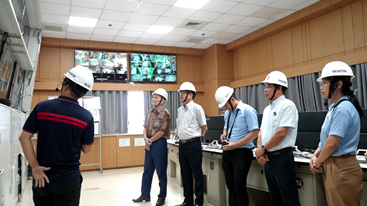 Polytex Pioneers Energy Efficiency in the Textile and Dyeing Industry
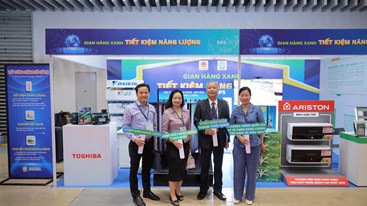 Vietnam ETE & Greenergy Expo 2026: Promoting Green Transition and Energy Efficiency
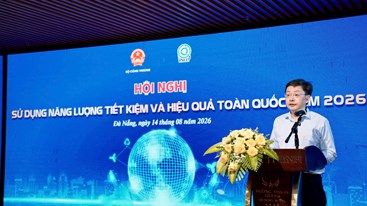 Conference on Energy Efficiency and Conservation in 2026
 Contract Award Notice - Support the development of energy management systems and capacity building (Package C2.2.11)
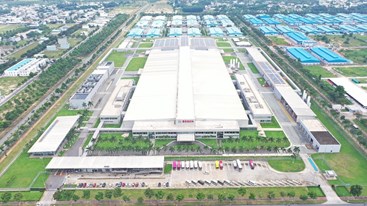 Bosch Vietnam Optimizes Energy to Advance Sustainable Manufacturing
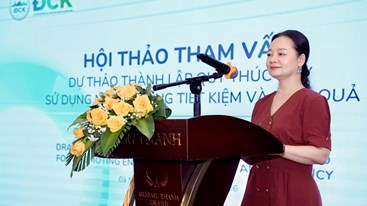 Consultation on the Draft of the Vietnam Energy Efficiency Fund Establishment
 Contract Award Notice - Review and update for current Energy Efficiency Benchmarking for 2 Sub-Industrial sectors