Thursday, 15/10/2026 | 01:47 GMT+7

A new device called SULI makes this into reality, combining solar technology with 3D printing to save light energy for later use in a multitude of ways.
SULI is a portable light source that charges when exposed to the sun. With a push of a button, SULI’s lamp can be lit for up to 50 hours of continuous illumination for every eight-hour charge. Using solar energy to create electricity is hardly a new idea, of course, but the idea behind SULI comes from the flexibility of the device. In the hand, it’s a flashlight.
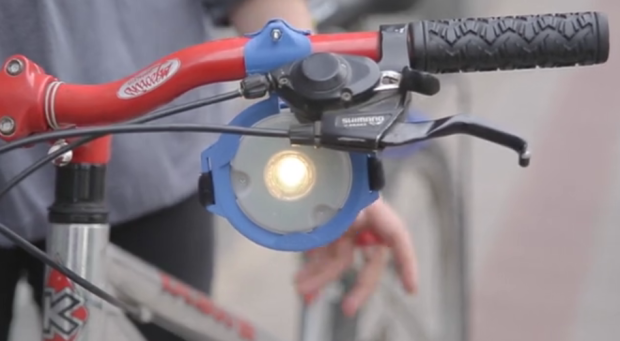
Screw it onto the top of an ordinary plastic bottle filled with water, and it becomes a lamp that diffuses light out to five meters. Better yet, snap on one of several 3D-printed accessories, and SULI can become a hanging lantern, a bicycle headlight, a garden light, or more.
While most people take electric light for granted, the creators of SULI hope to bring renewable, dependable light sources to parts of the world where electricity is not readily available.
“Turn off your light for five seconds and imagine there are 1.5 Billion (almost 1 out of 7) people that do not have access to electricity,” says Ximena Munoz.
In such areas, people use light sources like candles and kerosene, which are neither safe nor sustainable.
To that end, the SULI Indiegogo campaign offered a perk that would send one SULI unit to the contributor and one to Boutin, Haiti, where over 3,500 people live without access to electricity or water in the wake of the recent earthquakes.
The SULI campaign recently funded on Indiegogo, asking $52 for a single SULI or $85 to send one to Haiti as well.
Mai Linh








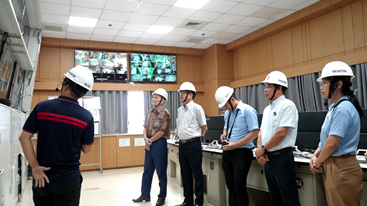 Polytex Pioneers Energy Efficiency in the Textile and Dyeing Industry
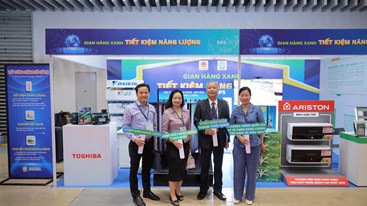 Vietnam ETE & Greenergy Expo 2026: Promoting Green Transition and Energy Efficiency
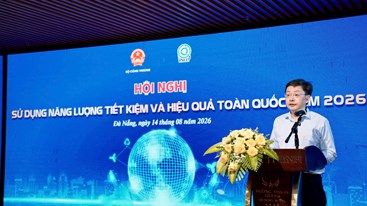 Conference on Energy Efficiency and Conservation in 2026
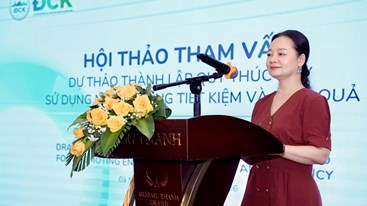 Consultation on the Draft of the Vietnam Energy Efficiency Fund Establishment
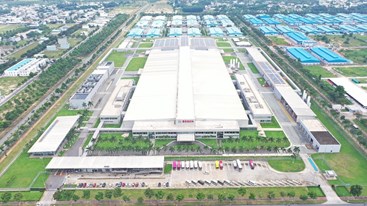 Bosch Vietnam Optimizes Energy to Advance Sustainable Manufacturing
 Contract Award Notice - Support the development of energy management systems and capacity building (Package C2.2.11)
 Contract Award Notice - Review and update for current Energy Efficiency Benchmarking for 2 Sub-Industrial sectors