Saturday, 10/10/2026 | 05:31 GMT+7

Gulf countries could save up to $87 billion from lower gas and oil prices if they achieve their renewable energy targets by 2030.
Gulf countries could save up to $87 billion (£59.1bn) from lower gas and oil prices if they achieve their renewable energy targets by 2030.
That’s according to the International Renewable Energy Agency (IRENA) which added the nations could also save 11 million litres of water and 400 billion barrels of oil.
If the nations achieve their green targets, they could also reduce their carbon footprints by 8% during the same period while creating more than 200,000 jobs.
The ‘Renewable Energy Market Analysis: The GCC Region’ report highlights renewables, in particular solar, could be used as a cost competitive source of energy for desalination.
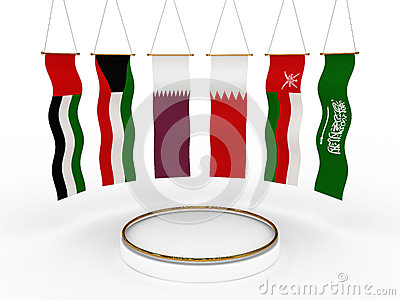
That’s the major use of fossil fuels in Saudi Arabia, Kuwait, United Arab Emirates, Qatar, Bahrain and Oman, according to IRENA.
Adnan Z. Amin Director-General at IRENA said: “For the last several years already, GCC countries have been fashioning a critical role for themselves in the global shift to renewable energy.
“The economic and social rationale for the energy transition in the GCC has never been stronger. By maintaining their leadership in the energy sector and embracing their region’s abundance of renewable energy resources, GCC countries can ensure their own long-term economic and social prosperity through a clean energy future.”
Energy Live News










 Polytex Pioneers Energy Efficiency in the Textile and Dyeing Industry
 Vietnam ETE & Greenergy Expo 2026: Promoting Green Transition and Energy Efficiency
 Conference on Energy Efficiency and Conservation in 2026
 Contract Award Notice - Support the development of energy management systems and capacity building (Package C2.2.11)
 Bosch Vietnam Optimizes Energy to Advance Sustainable Manufacturing
 Consultation on the Draft of the Vietnam Energy Efficiency Fund Establishment
 Contract Award Notice - Review and update for current Energy Efficiency Benchmarking for 2 Sub-Industrial sectors