Saturday, 03/10/2026 | 01:20 GMT+7

The national energy development strategy of Vietnam by 2030, with a vision to 2045, aims to achieve an energy saving ratio of approximately 7 - 10% of the total final energy consumption compared to the business-as-usual scenario by 2030, and about 14 - 20% by 2045.
.jpg)
Some specific goals of the Strategy include: - Meeting the domestic energy needs to support the objectives of the 10-year Socio-Economic Development Strategy 2021 - 2030, with primary energy supply reaching about 150 - 170 million tons of oil equivalent (TOE) by 2030 and about 260 - 280 million TOE by 2045. - The proportion of renewable energy in the total primary energy supply is 15 - 20% by 2030 and 65 - 70% by 2045. - Developing a smart, efficient electricity system capable of securely connecting to the regional power grid; ensuring safe electricity supply, meeting the N-1 criteria for important load areas and N-2 for especially important load areas. By 2030, the reliability of electricity supply is among the top 4 leading countries in ASEAN, and the electricity access index is among the top 3 leading countries in ASEAN. - The energy-saving ratio of the total final energy consumption compared to the business-as-usual scenario is about 7 - 10% by 2030 and about 14 - 20% by 2045. - Reducing greenhouse gas emissions from energy activities compared to the business-as-usual scenario by 15 - 35% by 2030, reaching 70 - 80% by 2045. |







 Contract Award Notice - Develop tools for analyzing the energy efficiency of sub-projects and assess the current state of the market for energy-saving investment loans (C2.2.12)
 Contract Award Notice - Support the development of energy management systems and capacity building (Package C2.2.11)
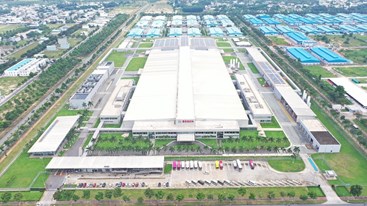 Bosch Vietnam Optimizes Energy to Advance Sustainable Manufacturing
 Vietnam ETE & Greenergy Expo 2026: Promoting Green Transition and Energy Efficiency
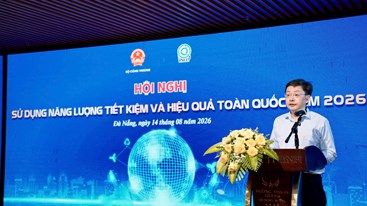 Conference on Energy Efficiency and Conservation in 2026
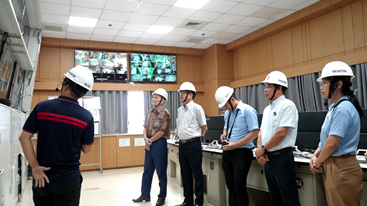 Polytex Pioneers Energy Efficiency in the Textile and Dyeing Industry
 Consultation on the Draft of the Vietnam Energy Efficiency Fund Establishment