Wednesday, 14/10/2026 | 18:47 GMT+7

Patients in low-resource areas often suffer from surgical-site infections. Incidence for such infections is about nine times higher in developing countries than in developed countries.
Patients in low-resource areas often suffer from surgical-site infections. Incidence for such infections is about nine times higher in developing countries than in developed countries.
The infections are often caused by medical instruments that are contaminated by traces of biological materials such as microorganisms from previous patients.
Maria Oden from Rice University said that some areas in developing countries tend to have medical facilities with problematic sterilization equipment. Sometimes, there's not even any sterilization equipment at all. Unreliable power sources and insufficient sterilization quality control also pose problems.
"Infection control in the surgical suite really is a big challenge in the developing world," said Oden. "I was shocked to learn how many surgeries end up with patients developing some manner of infection.
In a bid to mitigate this problem, Oden and colleagues developed a solar-powered sterilization facility to sterilize medical tools for reuse.
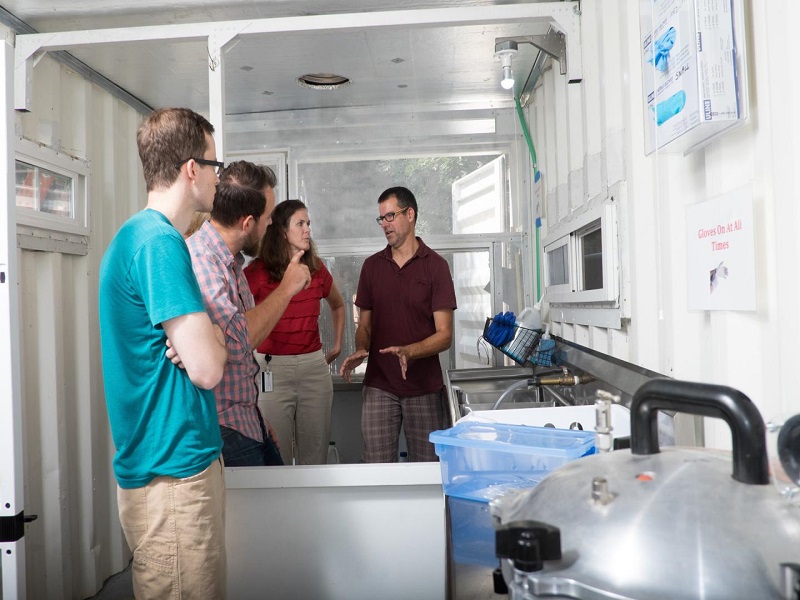
Known as the Sterile Box, the low-power mobile facility is built into a 20-foot steel shipping container that houses all the needed equipment to prepare surgical instruments so they can be safely reused. The facility can be set up anywhere.
The power for the sterilization facility is provided by solar panels that are installed on the roof while the tanks on the ground and roof supply water. An autoclave heated with a specially designed hotplate sterilizes the medical equipment.
"The sterile processing unit, dubbed 'the sterile box,' is a full suite capable of handling instruments from the moment they leave the operating room to the point they are sterile and ready to be reused for the next surgery," Oden and colleagues wrote in their study, which was published in PLOS One on Wednesday, March 23. "The sterile processing unit is self-sufficient in power and water and features an intake for contaminated instruments, decontamination, sterilization via nonelectric steam sterilizers, and secure inventory storage."
Last year, Oden and colleagues sterilized and prepared instruments for return to the operating room and found that the mobile sterilization facility properly sterilized and decontaminated instruments in 61 trials.
The unit's satisfactory outcome for decontaminating and sterilizing equipment holds promise for health care facilities in low-resource areas. The Sterile Box will be tested next in a clinical setting.
TechTimes





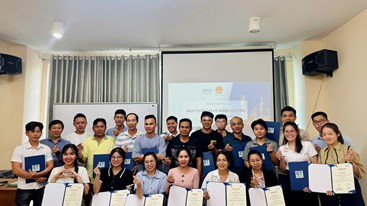
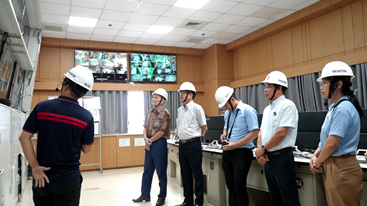 Polytex Pioneers Energy Efficiency in the Textile and Dyeing Industry
Vietnam ETE & Greenergy Expo 2026: Promoting Green Transition and Energy Efficiency
Polytex Pioneers Energy Efficiency in the Textile and Dyeing Industry
Vietnam ETE & Greenergy Expo 2026: Promoting Green Transition and Energy Efficiency
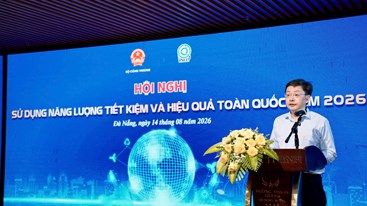 Conference on Energy Efficiency and Conservation in 2026
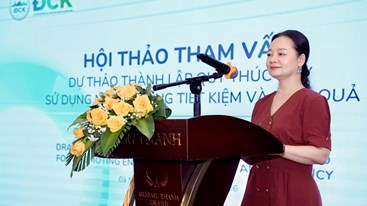 Consultation on the Draft of the Vietnam Energy Efficiency Fund Establishment
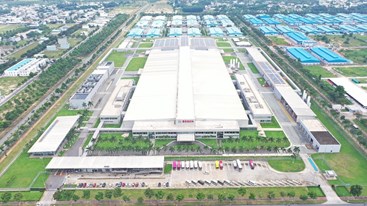 Bosch Vietnam Optimizes Energy to Advance Sustainable Manufacturing
Contract Award Notice - Support the development of energy management systems and capacity building (Package C2.2.11)
Bosch Vietnam Optimizes Energy to Advance Sustainable Manufacturing
Contract Award Notice - Support the development of energy management systems and capacity building (Package C2.2.11)
 Contract Award Notice - Review and update for current Energy Efficiency Benchmarking for 2 Sub-Industrial sectors