Friday, 02/10/2026 | 16:15 GMT+7

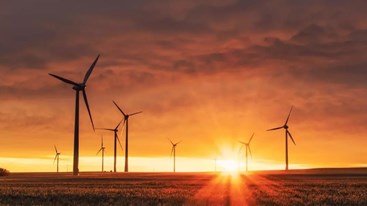
There are more than two billion people worldwide with no access to drinking water. This is the reason why researchers over the globe are trying to find solutions such as desalination. This reverse osmosis of water is the most efficient and economical form of desalination but the problem is that it needs 3 kWh per cubic meter of water. Solar panels and wind turbines can be used to supply this power.
There are more than two billion people worldwide with no access to drinking water. This is the reason why researchers over the globe are trying to find solutions such as desalination.
This reverse osmosis of water is the most efficient and economical form of desalination but the problem is that it needs 3 kWh per cubic meter of water. Solar panels and wind turbines can be used to supply this power.

Designers have created a new method that could be used to convert wind energy directly into water pressure for use in reverse osmosis systems, without turning it into electricity first.
The new system, dubbed Aeolus, developed by U.S.-based Engineering For The Earth, looks exactly like common old windmills. It is capable to generate potable water for up to 500 people, requiring minimal wind speeds. The mechanical energy generated by the windmill is used to drive a pump that obtains water from the source.
The obtained pressure drives water through the reverse osmosis membrane and other series of filters to generate clean water. Currently, the company produces a transportable unit with a 3.6m fan, and fixed units with fans ranging from 2.4m to 6. The larger models are capable of purifying and desalinating seawater, while smaller ones can desalinate and purify brackish water.
greenoptimistic.com








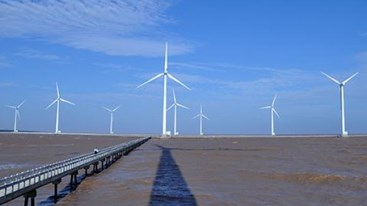

 Contract Award Notice - Develop tools for analyzing the energy efficiency of sub-projects and assess the current state of the market for energy-saving investment loans (C2.2.12)
 Contract Award Notice - Support the development of energy management systems and capacity building (Package C2.2.11)
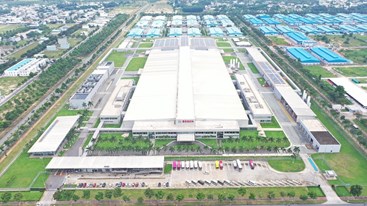 Bosch Vietnam Optimizes Energy to Advance Sustainable Manufacturing
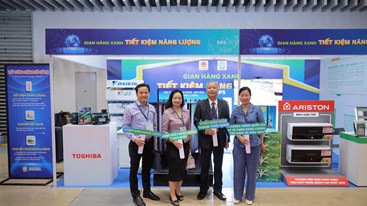 Vietnam ETE & Greenergy Expo 2026: Promoting Green Transition and Energy Efficiency
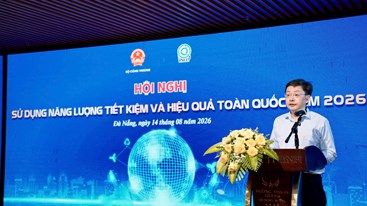 Conference on Energy Efficiency and Conservation in 2026
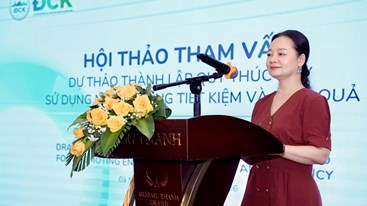 Consultation on the Draft of the Vietnam Energy Efficiency Fund Establishment
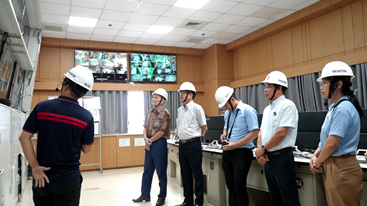 Polytex Pioneers Energy Efficiency in the Textile and Dyeing Industry