Friday, 02/10/2026 | 01:40 GMT+7

IPT (Induction Power Transfer) is the name of the world’s first commercially-available wireless electric car charging system, just launched in London. The brainchild of UK start-up HaloIPT wishes to electrify the England’s M25 motorway by using magnetic induction, a principle discovered in the 1800s.
IPT (Induction Power Transfer) is the name of the world’s first commercially-available wireless electric car charging system, just launched in London. The brainchild of UK start-up HaloIPT wishes to electrify the England’s M25 motorway by using magnetic induction, a principle discovered in the 1800s.
The company has designed the IPT to be functional on any weather conditions and even if the driver doesn’t align the car properly with the pads embedded in the asphalt. They also say it has a performance closely equal to that of a wired charger, though I doubt it can brag any efficiency higher than 80 percent at a few centimeters gap.

HaloIPT used a car named Evie, based on the Citroen C1 (ultra compact) to test the charging performance of the IPT. Fully charging from 20 percent took the Evie about six hours, and the energy came from a regular household socket. The company also says their system can charge even at distances of up to 40 centimeters.
“We’re using IPT to break down the barriers to mass-market adoption of electric cars,” says HaloIPT’s CEO, Anthony Thomson. “Keeping electric vehicle costs down is a key priority for us.” He also claims that a car using wireless charging is going to have a third of a today petrol car’s carbon emission by 2030, including the manufacturing and usage processes.
greenoptimistic.com








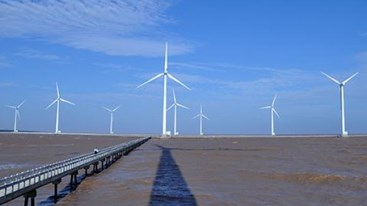

 Contract Award Notice - Develop tools for analyzing the energy efficiency of sub-projects and assess the current state of the market for energy-saving investment loans (C2.2.12)
 Contract Award Notice - Support the development of energy management systems and capacity building (Package C2.2.11)
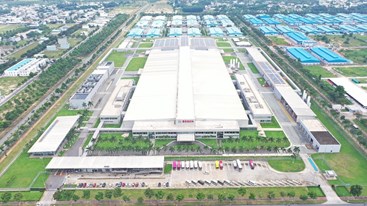 Bosch Vietnam Optimizes Energy to Advance Sustainable Manufacturing
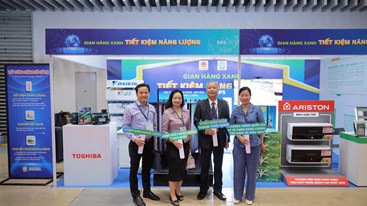 Vietnam ETE & Greenergy Expo 2026: Promoting Green Transition and Energy Efficiency
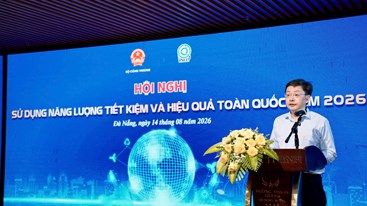 Conference on Energy Efficiency and Conservation in 2026
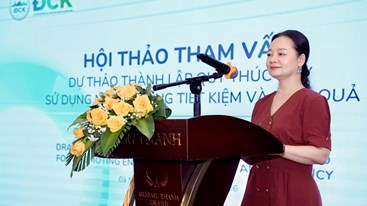 Consultation on the Draft of the Vietnam Energy Efficiency Fund Establishment
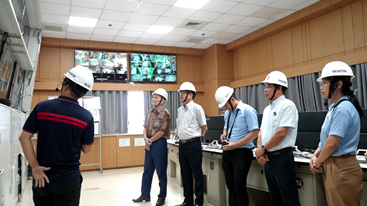 Polytex Pioneers Energy Efficiency in the Textile and Dyeing Industry