

Tuesday, 27/10/2026 | 16:41 GMT+7

Biofuel technology developer New Generation Biofuels Holdings, Inc., has secured a contract with the City of Baltimore to evaluate its biofuel for use in institutional boilers over a one year period. The maximum volume for the program is capped at 440,000 gallons, said the company based in Columbia, Maryland.
Biofuel technology developer New Generation Biofuels Holdings, Inc., has secured a contract with the City of Baltimore to evaluate its biofuel for use in institutional boilers over a one year period.
The maximum volume for the program is capped at 440,000 gallons, said the company based in Columbia, Maryland.
The evaluation program will be the second phase of demonstrations of New Generation Biofuels’ second generation biofuel, which is produced from recycled oils, animal fats or non-food feedstocks.

Phase one testing at Eastern Health Center’s Columbia boiler demonstrated operability and stability of the biodiesel, and showed that a reduction in nitrogen and sulfur oxides in emissions, compared to fossil fuel diesel and other biodiesels.
Tests were also conducted at Pimlico Police Training Center’s HB Smith cast iron boiler, with a Power-Flame burner, where there was a NOx reduction of over 60%, the company said.
The Phase Two program will determine the long term operational impact of the renewable biofuel, it said.
Miles F. Mahoney, President and Chief Executive Officer, said: “The City of Baltimore is leading the nation in the development and implementation of ‘green’ initiatives, including the reduction of harmful greenhouse gases. We are excited and proud to be a partner with the City in that effort.
“The emission-reduction capabilities of our biofuel have already been demonstrated in Phase 1 of the program and we look forward to demonstrating our fuel’s capabilities during this extended test burn,” added Mr Mahoney.
brighterenergy.org











 Polytex Pioneers Energy Efficiency in the Textile and Dyeing Industry
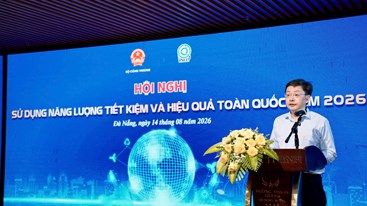 Conference on Energy Efficiency and Conservation in 2026
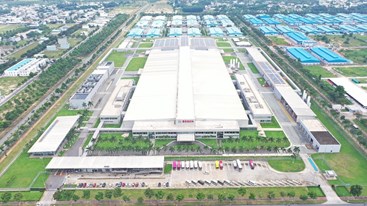 Bosch Vietnam Optimizes Energy to Advance Sustainable Manufacturing
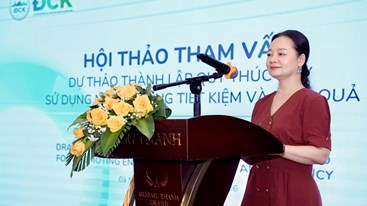 Consultation on the Draft of the Vietnam Energy Efficiency Fund Establishment
 Contract Award Notice - Notice for Contracts award for Finalize VNEEF (Vietnam National Energy Efficiency Fund) model (Package C2.2.14)
 Contract Award Notice - Review and update for current Energy Efficiency Benchmarking for 2 Sub-Industrial sectors
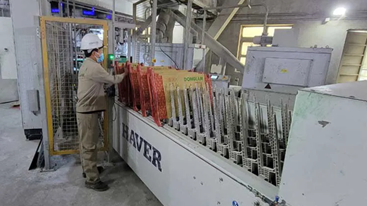 Dong Lam Cement Promotes Energy Efficiency to Enhance Sustainable Production