Wednesday, 30/09/2026 | 08:44 GMT+7

Will electric car charging networks have the type of roaming commonly found between cell phone providers? If Nokia Siemens Networks– a joint venture between the European networking giants — has anything to say about it, in Europe they will. This week at Mobile World Congress (MWC), an annual telecom conference in Barcelona, Nokia Siemens and a German public utility group called Smartlab announced they are developing an authentication and authorization service to enable electric vehicle drivers to “roam” when charging up via various service providers.
Will electric car charging networks have the type of roaming commonly found between cell phone providers? If Nokia Siemens Networks– a joint venture between the European networking giants — has anything to say about it, in Europe they will. This week at Mobile World Congress (MWC), an annual telecom conference in Barcelona, Nokia Siemens and a German public utility group called Smartlab announced they are developing an authentication and authorization service to enable electric vehicle drivers to “roam” when charging up via various service providers.
Called e-clearing.net, the service will essentially authenticate your data across charging infrastructure, using information like your EV charging contract ID, an RFID card number, a PIN number or a telephone number. The group notes that the service is built to be secure, and says in the future, electric charging service providers can use e-clearing.net to make customer billing easier. Smartlab consists of German utilities Stadtwerke Aachen AG, Duisburger Versorgungs- und Verkehrsgesellschaft mbH and Stadtwerke Osnabrück AG.

The group’s new e-roaming project highlights just how nascent the electric vehicle industry is. While there are some early standards in place for charging, the IT layer for the data involved with charging isn’t yet standardized, though some groups are pushing for open standards. Like the smart grid industry is learning right now, open standards for electric car charging will be necessary to spur innovation and will be best when it comes to offering choice for the consumer EV driver. That’s one of the fundamental lessons the growth of the Internet taught us.
Nokia Siemens’ involvement also shows how the telecom sector is increasingly looking to work on using their networks for the “Internet of things,” including EVs and smart meters. As I noted in an article on Monday, a mobile ecosystem is slowly growing around home energy, too, as mobile operators get more involved in selling network access to utilities and device makers create special energy monitoring devices. Nokia and Siemens sell networking gear to phone companies, among other businesses.
Phone companies have been looking into creative ways to use
their networks for “machine-to-machine” services like the smart grid and EVs,
which don’t include consumer customers and cell phone accounts
Consumers can be fickle, with churn and continuous upkeep — in contrast, machine to machine deals can be relatively low maintenance in comparison. Machine-to-machine services can also diversify phone companies networks and offer an area of growth in an otherwise saturated cell phone market.
gigaom.com





 Contract Award Notice - Develop tools for analyzing the energy efficiency of sub-projects and assess the current state of the market for energy-saving investment loans (C2.2.12)
 Contract Award Notice - Support the development of energy management systems and capacity building (Package C2.2.11)
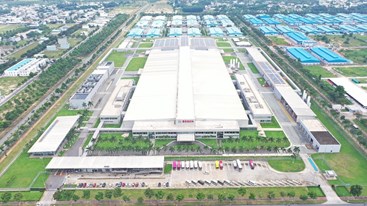 Bosch Vietnam Optimizes Energy to Advance Sustainable Manufacturing
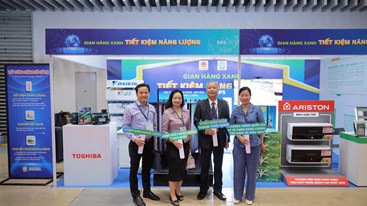 Vietnam ETE & Greenergy Expo 2026: Promoting Green Transition and Energy Efficiency
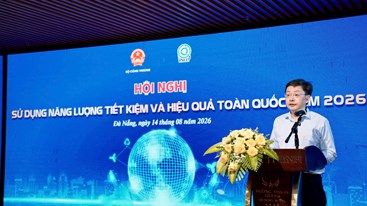 Conference on Energy Efficiency and Conservation in 2026
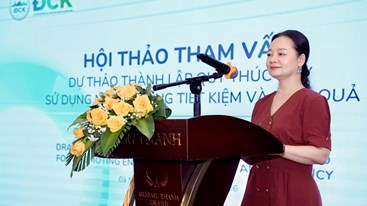 Consultation on the Draft of the Vietnam Energy Efficiency Fund Establishment
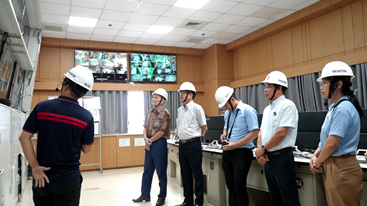 Polytex Pioneers Energy Efficiency in the Textile and Dyeing Industry