Comparing energy conversion of plants and solar cells
01/02/2012
A team of scientists has devised a new way to more accurately compare how efficiently plants and photovoltaic, or solar, cells convert sunlight into energy, which could ultimately help researchers improve plant photosynthesis, a critical first link to enhancing the global supply of food, feed, fiber and bioenergy.


Scientists now have a way to more accurately compare how efficiently plants and photovoltaic, or solar, cells convert sunlight into energy, thanks to findings by a research consortium that included a U.S. Department of Agriculture (USDA) scientist.
The study, published in Science, could help researchers improve plant photosynthesis, a critical first link in the global supply chain for food, feed, fiber and bioenergy production.
Comparing plant and photovoltaic systems is a challenge. Although both processes harvest energy from sunlight, they use that energy in different ways. Plants convert the sun's energy into chemical energy, whereas solar cells produce electricity. The scientists, including Agricultural Research Service (ARS) research leader Donald Ort in the agency's Global Change and Photosynthesis Research Unit in Urbana, Ill., identified specific designs that hold excellent promise for improving efficiency.
The first step was to facilitate a direct comparison of the two systems. The researchers set a uniform basis for the comparison and examined the major factors that define the efficiencies of both processes, first considering current technology, then looking forward to possible strategies for improvements.
In all cases, the research team considered the efficiency of harvesting the entire solar spectrum as a basis for comparison. Additionally, the researchers compared plants to solar cell arrays that also store energy inchemical bonds. Calculations were applied to a solar cell array that was coupled to an electrolyzer that used electricity from the array to split water into hydrogen and oxygen. The free energy needed to split water is essentially the same as that needed for photosynthesis or a solar cell, so the comparison provided a level playing field.
Using this type of calculation, the annual averaged efficiency of solar-cell-driven electrolysis is about 10 percent. Solar energy conversion efficiencies for crop plants are about 1 percent, which illustrates the significant potential to improve the efficiency of the natural system, according to Ort. While, in the context of the team's efficiency analysis, solar cells have a clear advantage compared to photosynthesis, there is a need to apply both in the service of sustainable energy conversion for the future.
This energy-efficiency analysis between plant photosynthesis and solar cells will lay the groundwork for improving the efficiency of plant photosynthesis in agriculture for improved yield.
As we face these effects of climate change, conserving water becomes increasingly important. Saving water also means saving money; the average American family spends more than $1,000 on water a year, which can be diminished significantly by addressing the way we use water in our daily lives.
Power is essential for lighting and running appliances at homes and in businesses. With its ever-increasing costs, consumers constantly compare electricity in addition to other practical ways to save electricity.
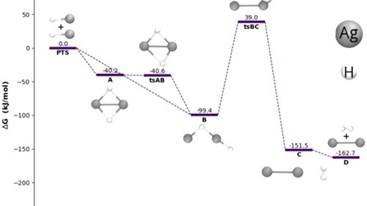
Quantum chemists believe gold, silver and copper could help the world take a leap towards green energy after discovering that compounds based on these metal elements and hydrogen are very promising candidates for hydrogen storage.
In addition to navigating a deadly pandemic, improving energy efficiency is likely the top priority for today’s building owners facing costly, mandatory retrofits by 2025.
The rush to invest in wind energy to take advantage of the Government's pricing incentives could lead to overloading of the national grid in a repeat of the solar scenario, experts warn.