Saturday, 17/10/2026 | 06:46 GMT+7

The use of recycling in the manufacturing processes of materials such as iron, steel and aluminium has been “a main driver” of improvements in energy efficiency within the industry.
The use of recycling in the manufacturing processes of materials such as iron, steel and aluminium has been “a main driver” of improvements in energy efficiency within the industry.
That’s according to the US Energy Information Administration (EIA), which suggests production of these metals accounts for 10% of total manufacturing energy use.

“Primary production, in which steel is made from iron ore and aluminium from bauxite ore, is energy intensive. However, secondary production, which involves the use of recycling scrap to make steel and aluminium, is much more energy efficient”, the EIA said.
Estimates from the Environment Protection Agency show secondary steel production uses around 74% less energy than the production of steel from iron ore while the US Department of Energy reported that secondary aluminium production requires 90% less energy than primary production, it added.
The US exported 24.3 million metric tonnes of scrap in 2011, the EIA said.
energylivenews.com










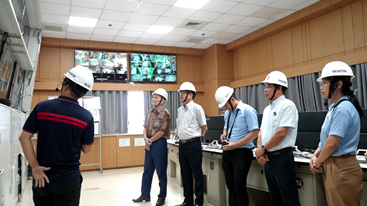 Polytex Pioneers Energy Efficiency in the Textile and Dyeing Industry
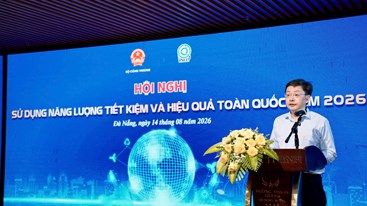 Conference on Energy Efficiency and Conservation in 2026
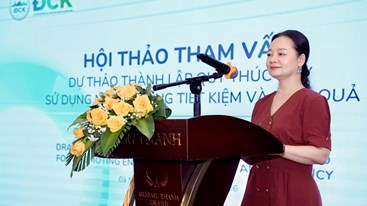 Consultation on the Draft of the Vietnam Energy Efficiency Fund Establishment
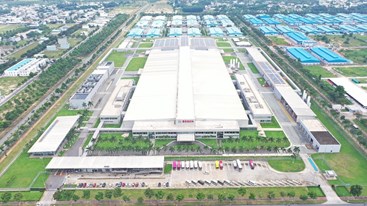 Bosch Vietnam Optimizes Energy to Advance Sustainable Manufacturing
 Contract Award Notice - Support the development of energy management systems and capacity building (Package C2.2.11)
 Contract Award Notice - Review and update for current Energy Efficiency Benchmarking for 2 Sub-Industrial sectors
 Contract Award Notice - Notice for Contracts award for Finalize VNEEF (Vietnam National Energy Efficiency Fund) model (Package C2.2.14)