Sunday, 04/10/2026 | 11:13 GMT+7

When you step through the sliding doors, do you think about how much energy it takes to get you to the top floor?
They say more energy-efficient elevators can significantly reduce the costs of operating a building – and call for new standards such as the Energy Star rating for heating, air con and home appliances.
Elevators and escalators make up 2% to 5% of the energy used in most buildings, according to ACEEE and can reach as high as 50% during the busiest times.

Technology exists today to slash their use by 40% or as much as 75%, such as by cutting energy use between trips when an elevator is idle, finds the study.
But the ACEEE complains without a standard way to measure energy savings and a rating system to distinguish more efficient elevators, building owners could be in the dark about getting a more efficient system.
John Mandyck, chief sustainability officer at UTC Building & Industrial Systems which make elevators said: “As consumers and tenants better understand and value the effects green buildings have on the health and productivity of inhabitants, clear standards for measuring elevator efficiency can provide a great opportunity to reduce operating costs and showcase the environmental attributes of a building.”
Energy Live News







 Contract Award Notice - Develop tools for analyzing the energy efficiency of sub-projects and assess the current state of the market for energy-saving investment loans (C2.2.12)
 Contract Award Notice - Support the development of energy management systems and capacity building (Package C2.2.11)
 Vietnam ETE & Greenergy Expo 2026: Promoting Green Transition and Energy Efficiency
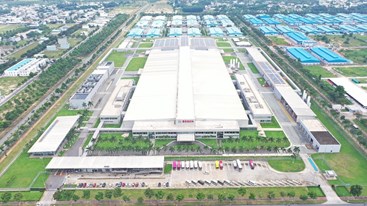 Bosch Vietnam Optimizes Energy to Advance Sustainable Manufacturing
 Conference on Energy Efficiency and Conservation in 2026
 Polytex Pioneers Energy Efficiency in the Textile and Dyeing Industry
 Consultation on the Draft of the Vietnam Energy Efficiency Fund Establishment