Thursday, 17/09/2026 | 04:12 GMT+7

Multinationals aren’t able to manage climate risks due to the lack of strategies in their supply chain.
Multinationals aren’t able to manage climate risks due to the lack of strategies in their supply chain.
That’s according to a new report by CDP which asked more than 7,800 suppliers of 75 multinationals for environmental information and climate risk strategies.
The firms which include L’Oreal, Coca Cola, Dell, Unilever and Goldman Sachs, represent $2 trillion (£1.36tn).
It stated almost half of suppliers – 49% – failed to provide information on their environmental impact.
Around 72% recognised climate change risks, which could “significantly” impact their business operations.
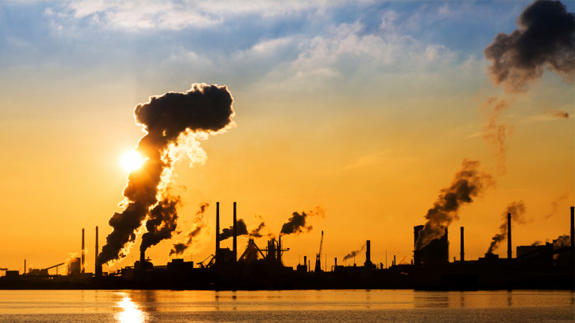
Climate regulation was identified as the major risk by 64% with the most commonly cited consequences being fuel, energy and carbon taxes.
However, less than half – 45% – have set a target to reduce their emissions and just one third – 34% – have lowered their greenhouse gas emissions in the past year.
Paul Simpson, CEO of CDP says: “The science and the policy have never been clearer. Greenhouse gas emissions must decrease to net zero as early as possible in the second half of the century. Companies have a vital role to play in implementing the Paris agreement. Those that are unable to do so risk being the losers from this inevitable transition.”
Energy Live News










 Contract Award Notice - Providing technical support, training, and communication on energy efficiency for industrial zones and clusters in Vietnam (Package C2.2.13)
 Consultation on the Draft of the Vietnam Energy Efficiency Fund Establishment
 Contract Award Notice - Review and update for current Energy Efficiency Benchmarking for 2 Sub-Industrial sectors