Monday, 05/10/2026 | 18:14 GMT+7

Non-OECD countries will have to double their investments in the electricity sector by 2040.
Non-OECD countries will have to double their investments in the electricity sector by 2040.
That’s necessary to keep pace with demand, according to the World Economic Forum (WEF).
Its ‘Future of Electricity 2016’ report offers suggestions to improve investment in the power sector.
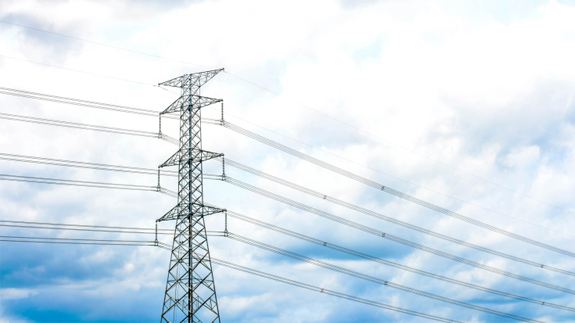
It recommends policymakers of those countries to develop long term roadmaps to ensure balance between renewable and conventional, decentralised and distributed power generation.
Policies need to be integrated across the power value chain to ensure the upstream fuel supply and generation assets are developed in parallel to transmission and distribution.
The report recommends regulators to provide a level playing field for technologies reflecting carbon abatement and security of supply.
Businesses and investors should invest in R&D and boost research in universities.
Roberto Bocca, Head of the Energy Industries of the WEF said: “From 2000-2014, non-OECD countries invested on a par with OECD countries – about $240 billion (£163.2bn) annually. But given the amount of electricity infrastructure that needs to be built in fast-growing countries to serve growing demand, fast-growing countries will not only have to double their investments but also ensure that these funds are used to develop all parts of the value chain so that none is left stranded or underdeveloped.”
Energy Live News





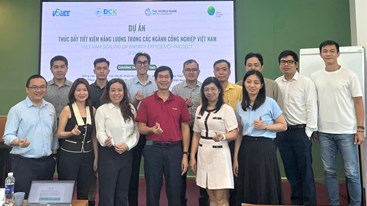
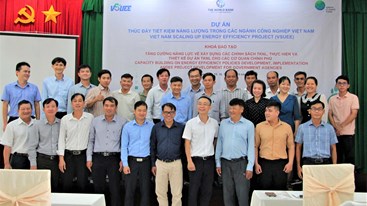
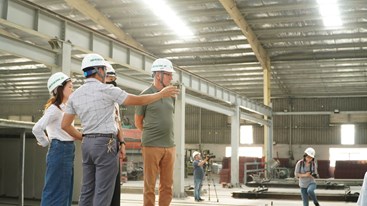
 Contract Award Notice - Develop tools for analyzing the energy efficiency of sub-projects and assess the current state of the market for energy-saving investment loans (C2.2.12)
 Contract Award Notice - Support the development of energy management systems and capacity building (Package C2.2.11)
 Vietnam ETE & Greenergy Expo 2026: Promoting Green Transition and Energy Efficiency
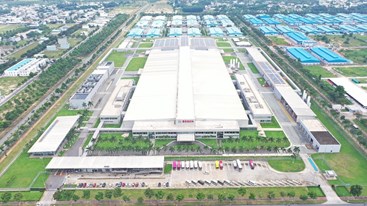 Bosch Vietnam Optimizes Energy to Advance Sustainable Manufacturing
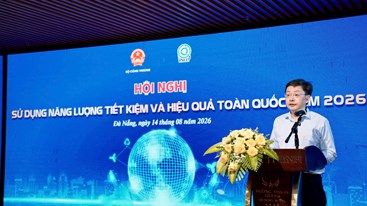 Conference on Energy Efficiency and Conservation in 2026
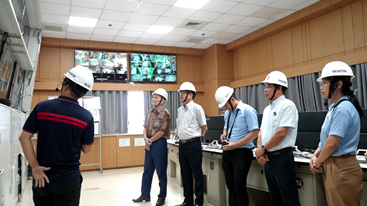 Polytex Pioneers Energy Efficiency in the Textile and Dyeing Industry
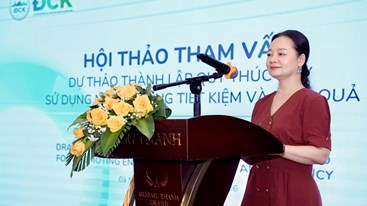 Consultation on the Draft of the Vietnam Energy Efficiency Fund Establishment