Tuesday, 29/09/2026 | 16:44 GMT+7

Investigations are underway to examine the costs and benefits of introducing mandatory Minimum Energy Performance Standards for swimming pool pumps in Australia.
The recently released National Energy Productivity Plan (NEPP) (link is external) identified energy efficiency as a key area of opportunity to improve dollar value savings for consumers and reduce greenhouse gas emissions. The Equipment Energy Efficiency (E3) Program has identified swimming pool pumps as a product where significant opportunities exist to improve energy efficiency and achieve significant energy and greenhouse emission savings.
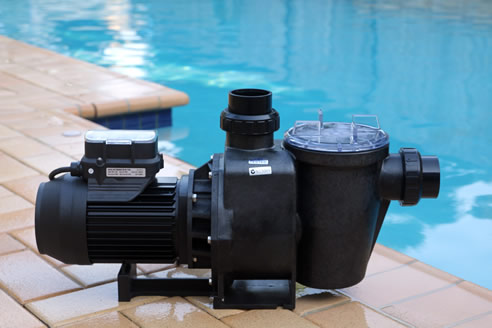
In households with a swimming pool or spa, the pump unit is usually the largest single user of residential electricity (about 16%). Australia boasts the world’s highest household pool ownership per capita with 1.2 million household swimming pools and to service this growing industry around 90,000 new pumps are sold each year.
At present swimming pool pumps are not covered by mandatory energy efficiency regulatory frameworks but the E3 Program introduced the Voluntary Energy Rating Labelling Program (VERLP) in 2010 to assist consumers to identify the most efficient pumps on the market and build industry capacity in areas such as test procedures.
Pump models participating in the voluntary program are estimated to represent only a tiny fraction of annual sales (8%) leaving the energy efficiency of 92% of the market unknown.
Investigations are underway to examine the costs and benefits of introducing mandatory Minimum Energy Performance Standards for swimming pool pumps and consideration of a transition from the voluntary Energy Rating Label to a mandatory label.
Pool+SPA









 Contract Award Notice - Develop tools for analyzing the energy efficiency of sub-projects and assess the current state of the market for energy-saving investment loans (C2.2.12)
 Contract Award Notice - Support the development of energy management systems and capacity building (Package C2.2.11)
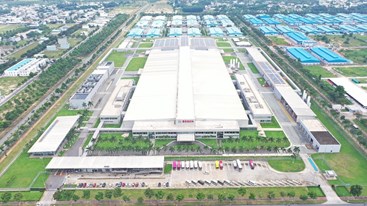 Bosch Vietnam Optimizes Energy to Advance Sustainable Manufacturing
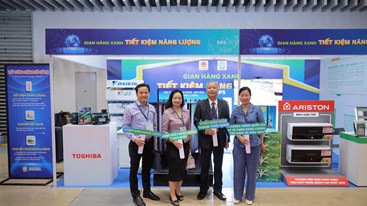 Vietnam ETE & Greenergy Expo 2026: Promoting Green Transition and Energy Efficiency
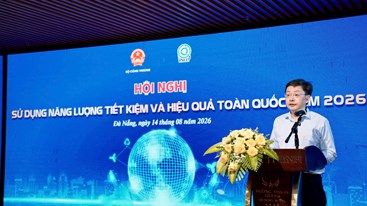 Conference on Energy Efficiency and Conservation in 2026
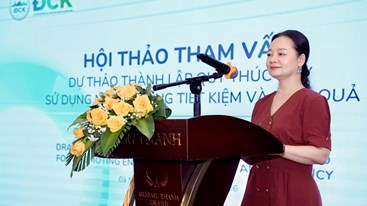 Consultation on the Draft of the Vietnam Energy Efficiency Fund Establishment
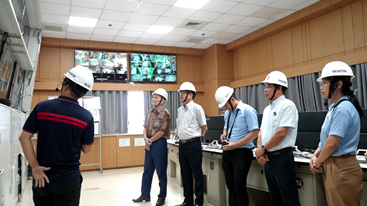 Polytex Pioneers Energy Efficiency in the Textile and Dyeing Industry