Friday, 16/10/2026 | 22:26 GMT+7

Prof Aoife Foley says it would remain light for part of energy peak between 5pm and 7pm, reducing household bills
Households could save more than £400 a year on energy bills if clocks were not put back at the end of October, according to an expert, who said it would help people with the cost of living crisis and reduce pressure on the National Grid this winter.
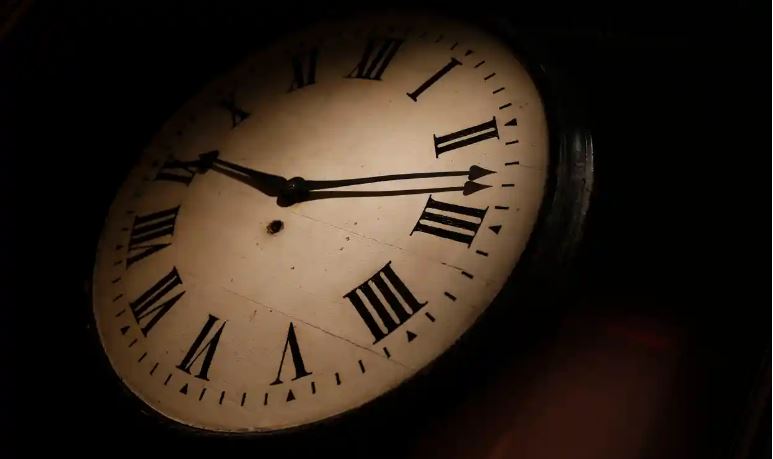
Foley’s calculations suggest households could save more than £400 a year on electricity bills. (Photograph: Hollie Adams/PA)
Evening energy demand peaks between 5pm and 7pm during winter. If clocks stayed on daylight saving time (DST), it would remain light for at least part of this time, reducing carbon emissions and energy demand.
“We know it is a difficult time for families across the country, which is why we have put in place immediate support for the coming winter. The Government’s Energy Price Guarantee is reducing the price of energy and millions of the most vulnerable households are also receiving £1,200 each this year in additional support.”
The guardian











 Polytex Pioneers Energy Efficiency in the Textile and Dyeing Industry
 Vietnam ETE & Greenergy Expo 2026: Promoting Green Transition and Energy Efficiency
 Conference on Energy Efficiency and Conservation in 2026
 Consultation on the Draft of the Vietnam Energy Efficiency Fund Establishment
 Bosch Vietnam Optimizes Energy to Advance Sustainable Manufacturing
 Contract Award Notice - Support the development of energy management systems and capacity building (Package C2.2.11)
 Contract Award Notice - Review and update for current Energy Efficiency Benchmarking for 2 Sub-Industrial sectors