

Sunday, 25/10/2026 | 08:52 GMT+7

In the highly competitive world of steel manufacturing, optimizing production efficiency is crucial for success. Stainless steel plants, steel manufacturing plants, steel melting plants, steel mill plants, and steel plants alike strive to maximize output while minimizing costs and downtime.
This guide provides practical strategies and tips to help steel factories achieve superior production efficiency.
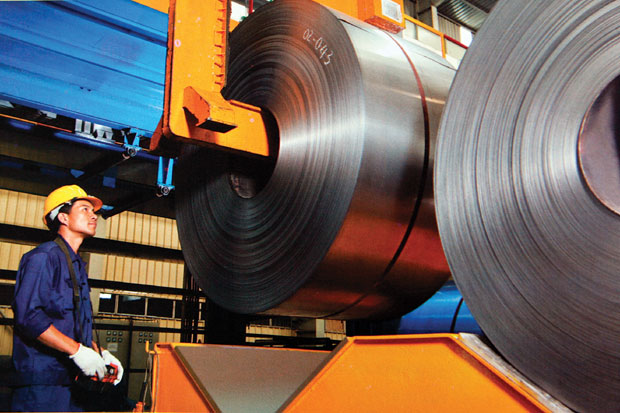
Proactive maintenance is key to preventing unexpected breakdowns and minimizing downtime. Implementing a robust preventive maintenance program can significantly extend the lifespan of critical equipment and components. Furthermore, investing in high-quality spare parts for steel plants can ensure reliable performance and reduce the risk of costly repairs or replacements.
Adopting lean manufacturing principles can streamline processes, eliminate waste, and improve overall efficiency. Techniques such as value stream mapping, continuous improvement (kaizen), and just-in-time production can help identify and eliminate non-value-adding activities, reduce inventory levels, and optimize material flow.
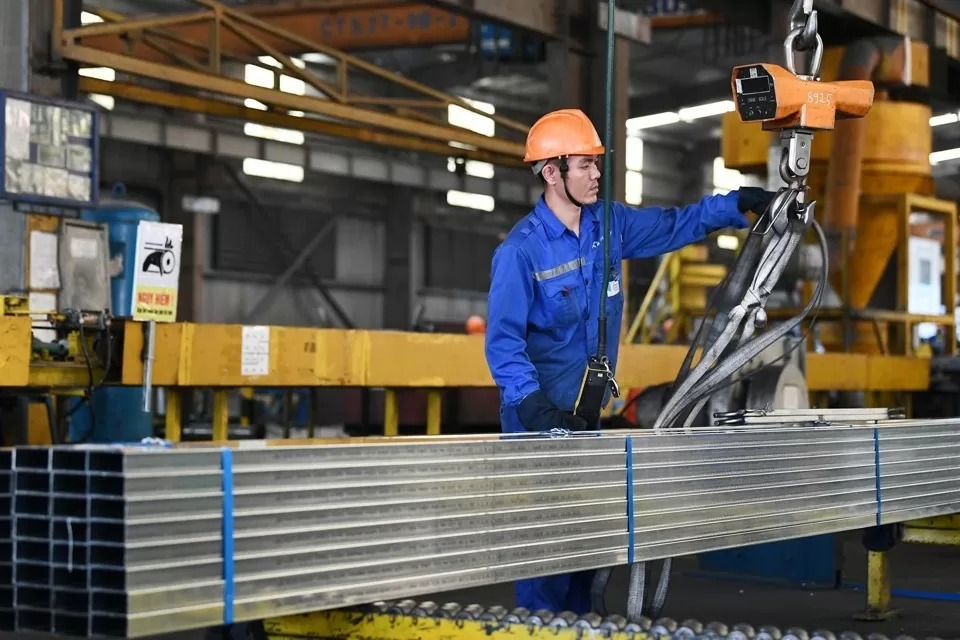
Steel production is an energy-intensive process, and improving energy efficiency can lead to significant cost savings and environmental benefits. Implementing energy-efficient technologies, such as heat recovery systems, energy management systems, and renewable energy sources, can reduce energy consumption and carbon footprint while enhancing overall sustainability.
Embracing automation and digital technologies can revolutionize steel production processes. Automated systems can improve accuracy, consistency, and speed, while digitalization enables real-time monitoring, data-driven decision-making, and predictive maintenance. Investing in advanced manufacturing execution systems (MES) and industrial internet of things (IIoT) solutions can drive continuous improvement and enhance overall operational efficiency.
A skilled and knowledgeable workforce is essential for optimizing production efficiency. Providing comprehensive training programs, encouraging continuous learning, and fostering a culture of continuous improvement can empower employees to identify and implement process improvements, troubleshoot issues effectively, and contribute to the overall success of the steel factory.
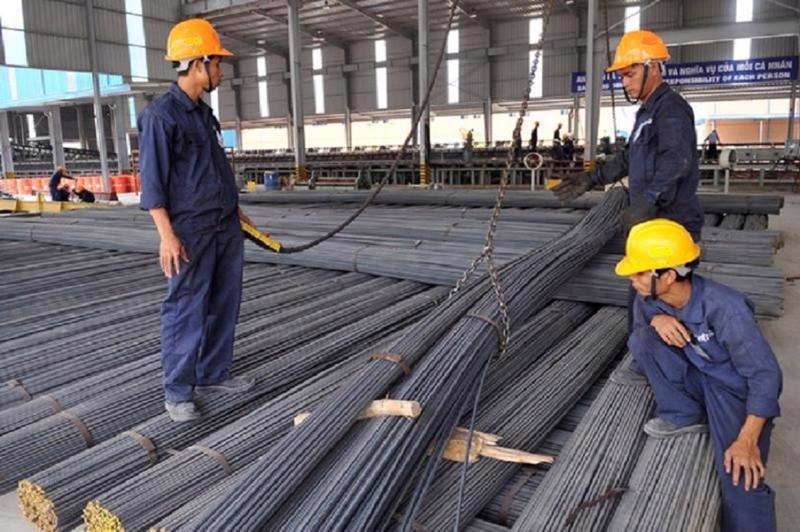
Fostering strong relationships with suppliers and integrating them into the production process can improve material availability, reduce lead times, and enhance overall supply chain efficiency. Collaborative efforts, such as vendor-managed inventory (VMI) and just-in-time delivery, can streamline material flow and minimize inventory costs.
By implementing these strategies and continuously seeking opportunities for improvement, steel factories can achieve superior production efficiency, maintain a competitive edge, and drive long-term success in the dynamic steel manufacturing industry.
According to technoserveindustries.com






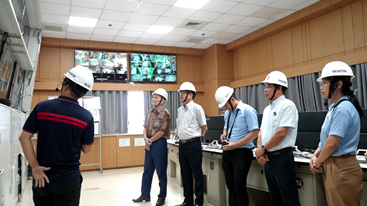 Polytex Pioneers Energy Efficiency in the Textile and Dyeing Industry
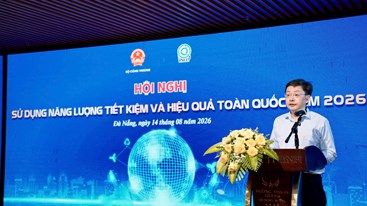 Conference on Energy Efficiency and Conservation in 2026
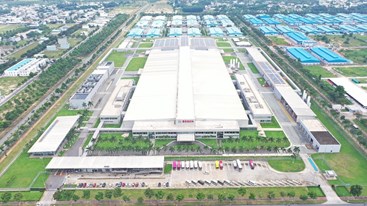 Bosch Vietnam Optimizes Energy to Advance Sustainable Manufacturing
 Consultation on the Draft of the Vietnam Energy Efficiency Fund Establishment
 Contract Award Notice - Notice for Contracts award for Finalize VNEEF (Vietnam National Energy Efficiency Fund) model (Package C2.2.14)
 Contract Award Notice - Review and update for current Energy Efficiency Benchmarking for 2 Sub-Industrial sectors
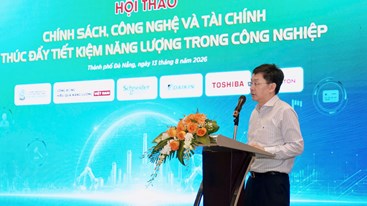 Policies, Technology and Finance Driving Energy Efficiency in the Industrial Sector