Wednesday, 14/10/2026 | 21:50 GMT+7

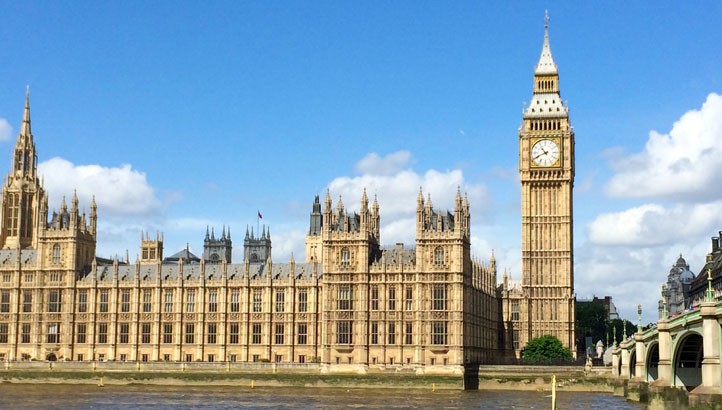
The anaerobic digestion (AD) industry has called for a nationwide food waste segregation plan after a House of Commons representative revealed that the Parliament estate sends the majority of its food waste to anaerobic digestion.
Responding to a Parliamentary question last month, the representative for the House of Commons Commission, Tom Brake, said: “All catering food waste segregated at the kitchens and food preparation areas is recovered offsite by means of anaerobic digestion to produce methane fuel and fertiliser. No catering waste from Parliament is sent to landfill."
However, Brake also pointed out that no uneaten food is currently donated to food aid charities.
He added: “We are continuing to identify opportunities to reduce the amount of food waste and to increase the proportion we do generate that goes for recovery. A food waste audit to support this is due to take place later this month in the House of Commons.”
Food waste from prepared dishes in House of Commons catering outlets is currently 3% against sales; well below the national average for the catering industry of 5%. The House of Commons is rated as a good practice organisation by the Sustainable Restaurant Association.
Energy from waste
Responding to the revelations, Anaerobic Digestion and Bioresources Association (ADBA) chief executive Charlotte Morton said that politicians should implement a similar food segregation plan nationwide.
“If the UK’s waste strategy followed the example of Parliament and all inedible food waste was diverted from landfill and incineration to AD, then the industry could generate enough additional indigenous green gas to power 750,000 homes,” Morton said.
“Not only that, but nutrient-rich biofertiliser produced during the AD process improves food production and soil quality, reversing soil degradation trends that are estimated to cost the UK about £1.4 billion each year. AD also has a vital role in decarbonising electricity, heat, farming and transport, potentially reducing UK greenhouse gas emissions by 4%.
“If segregating food waste for AD is right for Parliament, then surely the same principle should apply for the rest of the UK.”
According to WRAP, the cost of food wasted in the UK from the hospitality and food service sector is estimated to rise to £3bn per year by 2016. On average, 21% of this waste comes from spoilage, 45% from food preparation and 34% from consumer plates.
It is thought that the hospitality sector within the UK produces around 600,000 tonnes of food waste per annum and less than half of this is recycled by being sent to anaerobic digestion or composting.
Ngoc Diep (Edie.net)








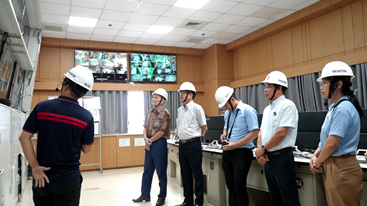 Polytex Pioneers Energy Efficiency in the Textile and Dyeing Industry
 Vietnam ETE & Greenergy Expo 2026: Promoting Green Transition and Energy Efficiency
 Conference on Energy Efficiency and Conservation in 2026
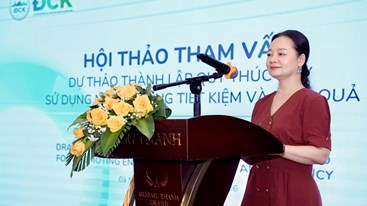 Consultation on the Draft of the Vietnam Energy Efficiency Fund Establishment
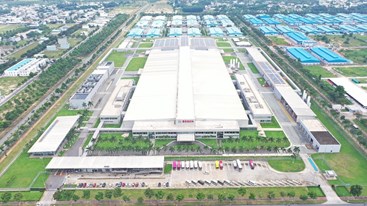 Bosch Vietnam Optimizes Energy to Advance Sustainable Manufacturing
 Contract Award Notice - Support the development of energy management systems and capacity building (Package C2.2.11)
 Contract Award Notice - Review and update for current Energy Efficiency Benchmarking for 2 Sub-Industrial sectors