-

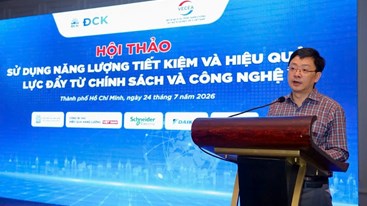
During the 2020–2025 period, the average energy intensity of Far Eastern Polytex (Vietnam) Ltd. showed a steady downward trend. In 2024 alone, energy intensity reached 0.167 TOE/ton of product, down 15.9% from 0.199 TOE/ton in 2020.
-
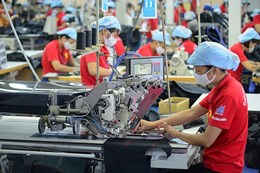
By implementing various energy efficiency solutions, GARCO 10 reduced its electricity consumption from 27,420,000 kWh in 2021 to 25,520,000 kWh in 2024, equivalent to a 6.9% reduction.
-
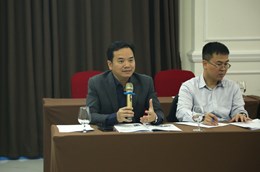
On the morning of December 9, in Hanoi, Innovation, Green Transition, and Industry Promotion (Ministry of Industry and Trade) organized a technical consultation meeting on the methodology for reviewing, updating, and developing new energy efficiency benchmarking for the NPK fertilizer production, seafood processing, yarn production, and textile sectors.
-
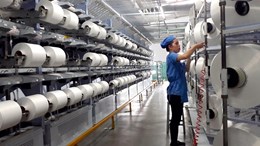
Technological innovation and technical improvements are among the key solutions helping textile enterprises use energy efficiently, increase labor productivity, and strengthen competitiveness.
-
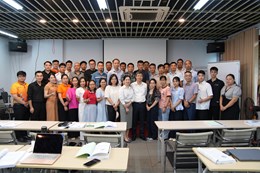
The training course aimed at strengthening energy management capacity for textile enterprises focuses on promoting energy efficiency and sustainable industrial development.
-

On the morning of April 25, 2025, within the framework of the project "Vietnam Scaling Up Energy Efficiency" (VSUEE), a training program for enterprise leaders in the textile and garment sector took place in Hanoi.
-
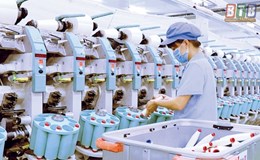
The textile industry has an energy-saving potential of up to 20%. Therefore, technological innovation and technical improvements are key solutions to help textile enterprises use energy efficiently, increase labor productivity, and enhance market competitiveness.
-
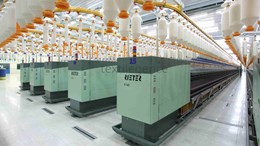
A recent comparison conducted in a Turkish spinning mill shows an 18% lower energy consumption for the compact-spinning machine K 48 compared to the competition. For a machine with 1 824 spindles, this benefit equates to an annual saving of around 12,000 USD per machine. This once again demonstrates Rieter’s strong claim for the energy efficiency of compact-spinning technology. The findings are not only important for the success of Rieter and its customers, but also contribute to a more sustainable and economic future for the textile industry.
-
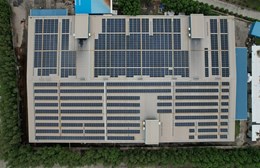
A new report by Apparel Impact Institute and Development Finance International Inc. says India needs $6.5 billion in financing to reduce its textile and apparel industry’s emissions by 45% by 2030 through renewable energy and energy efficiency interventions. While around $2.5 billion is available, there is still a $4 billion financing gap in India.
-

The textile and garment industry uses a massive amount of energy in the production and manufacturing processes. And, due to geopolitical events, such as COVID-19 or the Russian-Ukraine war, energy costs have been rising which has also had a big impact on manufacturing companies , including the garment sector. Combined with the global increased pressure to adopt sustainable practices, garment manufacturers are prompted to seek innovative ways to reduce their energy consumption and enhance efficiency.
-
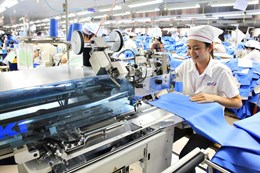
With the potential to save about 20% of energy consumption, textile enterprises increasingly focus on implementing energy-saving solutions.
-
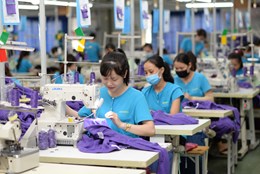
Bening aware of the role of energy saving in production and business, many textile enterprises have actively invested in energy-saving equipment and technologies such as sewing machine systems, lights, boilers, and engines. ...
-
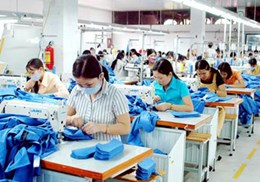
Garment enterprises apply cleaner production programs, saving more energy thereby contributing to the increased productivity and product quality.
-
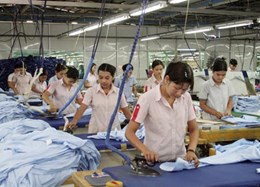
Beginning next year, the textile industry in Taiwan will have to mandatorily take energy conservation measures, as per a directive of the Ministry of Economic Affairs (MOEA), according to local media reports.
-

Among its aims are developing Energy Saving and Efficiency Tools (ESET) for SMEs, with on-site training and assistance for 150 companies. Another 350 firms will be helped to evaluate their production processes and make investments to increase energy efficiency
-

How you choose to light your home can have a big impact on how much you enjoy being there. Not only does lighting affect your home’s ambiance, it’s also a big factor in home energy consumption. If you want your home to look and feel comfortable, without wasting energy, examining your light bulbs and light fixtures is a good place to start.
-

Through the regulations and applied solution, Hung Long textile JSC service saved 21% of energy, equivalent to 400 tons of CO2/pa.
-

The Nha Trang Textile and Garment Joint Stock Company is a production unit that had high electric energy consumption - about 58 million KWh per year. To reduce product costs and increase the competitiveness in the market during the period 2006 – 2010, the company constantly implemented power-saving solutions in production.
-

According to Mr Nguyen Xuan Duong, General Director of Hung Yen Garment Joint Stock Company, in recent years, the company has significantly reduced electricity costs thanks to the use of energy saving lighting system and installation of energy saving devices for the sewing machine motors. Most recently, in 2009, the company invested nearly VND 200 million in installing Sewsaver device for 400W industrial sewing machines. Through one year of operation, 110 thousand kWh has been saved, over 85 tons of CO2 emissions has been reduced.
-

Thien Thanh company is a private enterprise (Phung Xa, My Duc, Ha Noi) with the main products of textile, dye and exported towel; annual energy cost is over VND 4 billion. Engaging in energy audit program, this business has found out eight solutions to use energy and coal effectively.





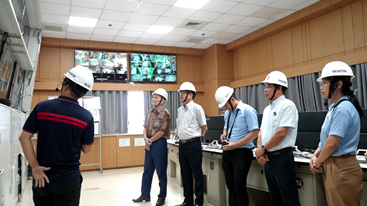 Polytex Pioneers Energy Efficiency in the Textile and Dyeing Industry
 Conference on Energy Efficiency and Conservation in 2026
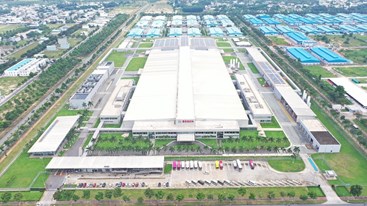 Bosch Vietnam Optimizes Energy to Advance Sustainable Manufacturing
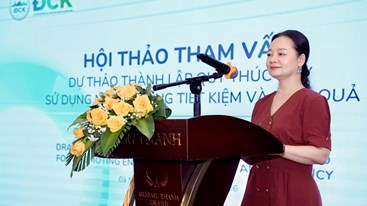 Consultation on the Draft of the Vietnam Energy Efficiency Fund Establishment
 Contract Award Notice - Notice for Contracts award for Finalize VNEEF (Vietnam National Energy Efficiency Fund) model (Package C2.2.14)
 Contract Award Notice - Review and update for current Energy Efficiency Benchmarking for 2 Sub-Industrial sectors
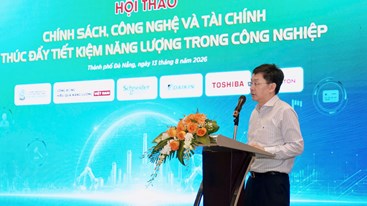 Policies, Technology and Finance Driving Energy Efficiency in the Industrial Sector