


Tuesday, 27/10/2026 | 10:53 GMT+7

The annual survey of cell manufacturers published in the March 2011 issue of PHOTON International shows that the PV industry increased global cell production to 27.2 gigawatts (GW) in 2010, which is as much as the output of the previous 4 years combined. This incredibly large volume means an increase of 118-percent over the 12.5 GW produced in 2009 - the highest annual growth rate since PHOTON International started tracking cell production in 1999.
The annual survey of cell manufacturers published in the
March 2011 issue of PHOTON International shows that the PV industry increased
global cell production to 27.2 gigawatts (GW) in 2010, which is as much as the
output of the previous 4 years combined. This incredibly large volume means an
increase of 118-percent over the 12.5 GW produced in 2009 - the highest annual
growth rate since PHOTON International started tracking cell production in 1999.
PV companies have reported similarly ambitious plans for
this year. The 199 companies listed in the survey boasted around 37 GW of cell
production capacity at the end of 2010, and they want to boost that by over 80
percent to roughly 67 GW by the end of this year, while increasing output by
about 90 percent to 51.4 GW.

The solar industry is ready to take responsibility for
replacing dangerous nuclear power today, says Michael Schmela, editor-in-chief
of PHOTON International. Solar has proven that it can grow fast, it's getting
big and it is already much less expensive than most people think, he adds.
To put things into perspective, the 27.2 GW of PV cells
produced last year are roughly equal in capacity to 27 typical nuclear
reactors. The PV electricity generated annually by these cells would be around
27 terawatt hours (TWh), or 27 billion kilowatt hours (kWh), if they were
installed in today's major solar markets.
Even in a country with as little irradiance as Germany, the
leading PV market, this is enough to replace the output of around three nuclear
reactors, says Schmela.
If this year's PV production plans are realized, the output
could not only generate as much electricity as about six nuclear plants in
Germany, but it could also completely shave peak power demand during summer
days in Italy.
According to Schmela, All that's needed to quickly increase
the share of solar power in the global energy mix is modest and sustainable
funding levels. Today, large utility-scale PV power plants can already generate
electricity at around 15 euro cents per kWh in Germany - the level of offshore
wind power feed-in tariffs.
In Southern Italy, tariffs of only around 12 euro cents per kWh are needed for large-scale PV systems, rather than the 33 euro cents paid today. The image of expensive solar power is outdated, says Schmela. As governments rethink their energy supply strategies in light of the terrible Fukushima nuclear plant accident, they have to look beyond gas and wind, making sure that they integrate solar power in their alternative scenario as well, he adds.
Source: solardaily.com










 Polytex Pioneers Energy Efficiency in the Textile and Dyeing Industry
 Conference on Energy Efficiency and Conservation in 2026
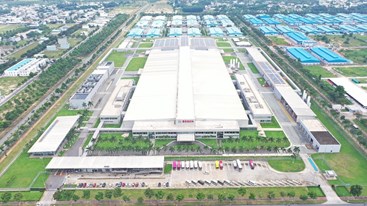 Bosch Vietnam Optimizes Energy to Advance Sustainable Manufacturing
 Consultation on the Draft of the Vietnam Energy Efficiency Fund Establishment
 Contract Award Notice - Notice for Contracts award for Finalize VNEEF (Vietnam National Energy Efficiency Fund) model (Package C2.2.14)
 Contract Award Notice - Review and update for current Energy Efficiency Benchmarking for 2 Sub-Industrial sectors
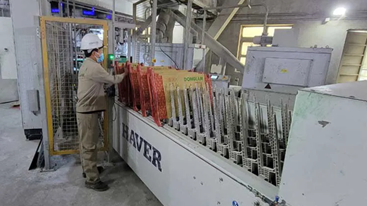 Dong Lam Cement Promotes Energy Efficiency to Enhance Sustainable Production