Thursday, 15/10/2026 | 05:37 GMT+7

Urban rail systems in Europe have already achieved a target to reduce their energy consumption by 10 per cent by 2020.
Urban rail systems in Europe have already achieved a target to reduce their energy consumption by 10 per cent by 2020.
The three-year OSIRIS research project, which has sought to find ways of reducing the energy use of rail systems across the continent, has now been completed.
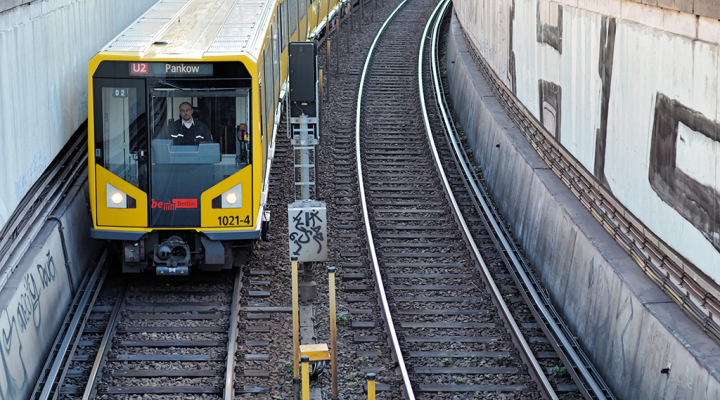
In partnership with train operators, manufacturers and research centres, the EU-funded project has already helped the industry introduce measures to reduce its carbon footprint.
A project to better monitor and optimise energy use on metro and light rail systems in Europe has allowed the industry to hit its consumption target five years early.
Other innovations such as auxiliary energy converters, on-board energy storage systems and technical room cooling systems have all been tested throughout the project.
UITP secretary general Alain Flausch said: “The continuous improvement of energy efficiency is vital for urban operators, not only to reduce their energy bills but also to maintain their competitive edge in terms of their environmental impact compared to private transport modes.”
Anh Tuan







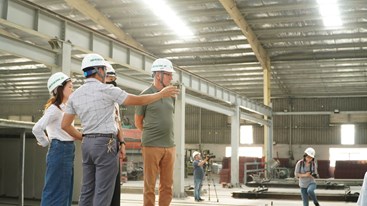

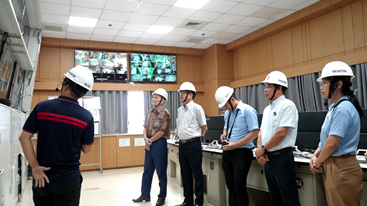 Polytex Pioneers Energy Efficiency in the Textile and Dyeing Industry
 Vietnam ETE & Greenergy Expo 2026: Promoting Green Transition and Energy Efficiency
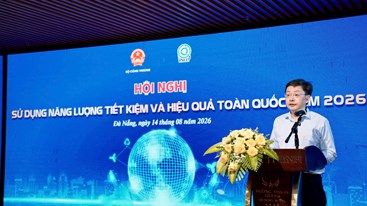 Conference on Energy Efficiency and Conservation in 2026
 Consultation on the Draft of the Vietnam Energy Efficiency Fund Establishment
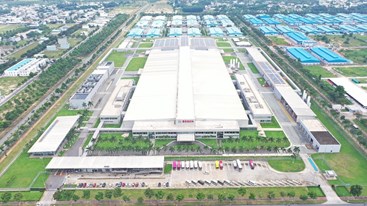 Bosch Vietnam Optimizes Energy to Advance Sustainable Manufacturing
 Contract Award Notice - Support the development of energy management systems and capacity building (Package C2.2.11)
 Contract Award Notice - Review and update for current Energy Efficiency Benchmarking for 2 Sub-Industrial sectors