Wednesday, 14/10/2026 | 07:57 GMT+7

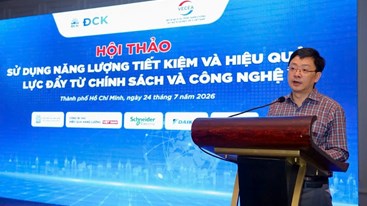
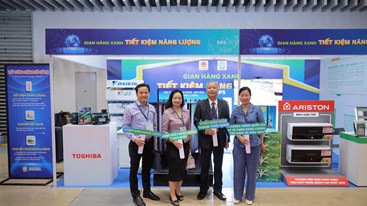
A campaign for energy efficiency has been started in Ho Chi Minh City with the target of saving 10% of energy expenses for each household. The duration for the program is from June 1st to the end of November.
A campaign for energy efficiency has been
started in

To support the program in achieving the
best results, the Energy Efficiency Centre in
By Nguyen An






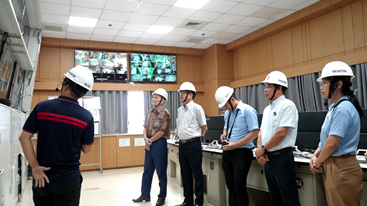 Polytex Pioneers Energy Efficiency in the Textile and Dyeing Industry
Vietnam ETE & Greenergy Expo 2026: Promoting Green Transition and Energy Efficiency
Polytex Pioneers Energy Efficiency in the Textile and Dyeing Industry
Vietnam ETE & Greenergy Expo 2026: Promoting Green Transition and Energy Efficiency
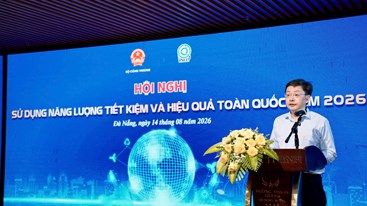 Conference on Energy Efficiency and Conservation in 2026
Contract Award Notice - Support the development of energy management systems and capacity building (Package C2.2.11)
Conference on Energy Efficiency and Conservation in 2026
Contract Award Notice - Support the development of energy management systems and capacity building (Package C2.2.11)
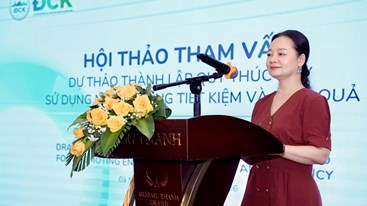 Consultation on the Draft of the Vietnam Energy Efficiency Fund Establishment
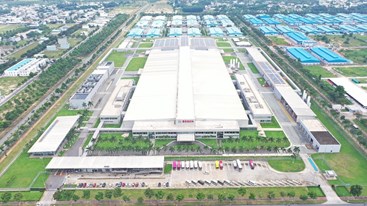 Bosch Vietnam Optimizes Energy to Advance Sustainable Manufacturing
 Contract Award Notice - Review and update for current Energy Efficiency Benchmarking for 2 Sub-Industrial sectors